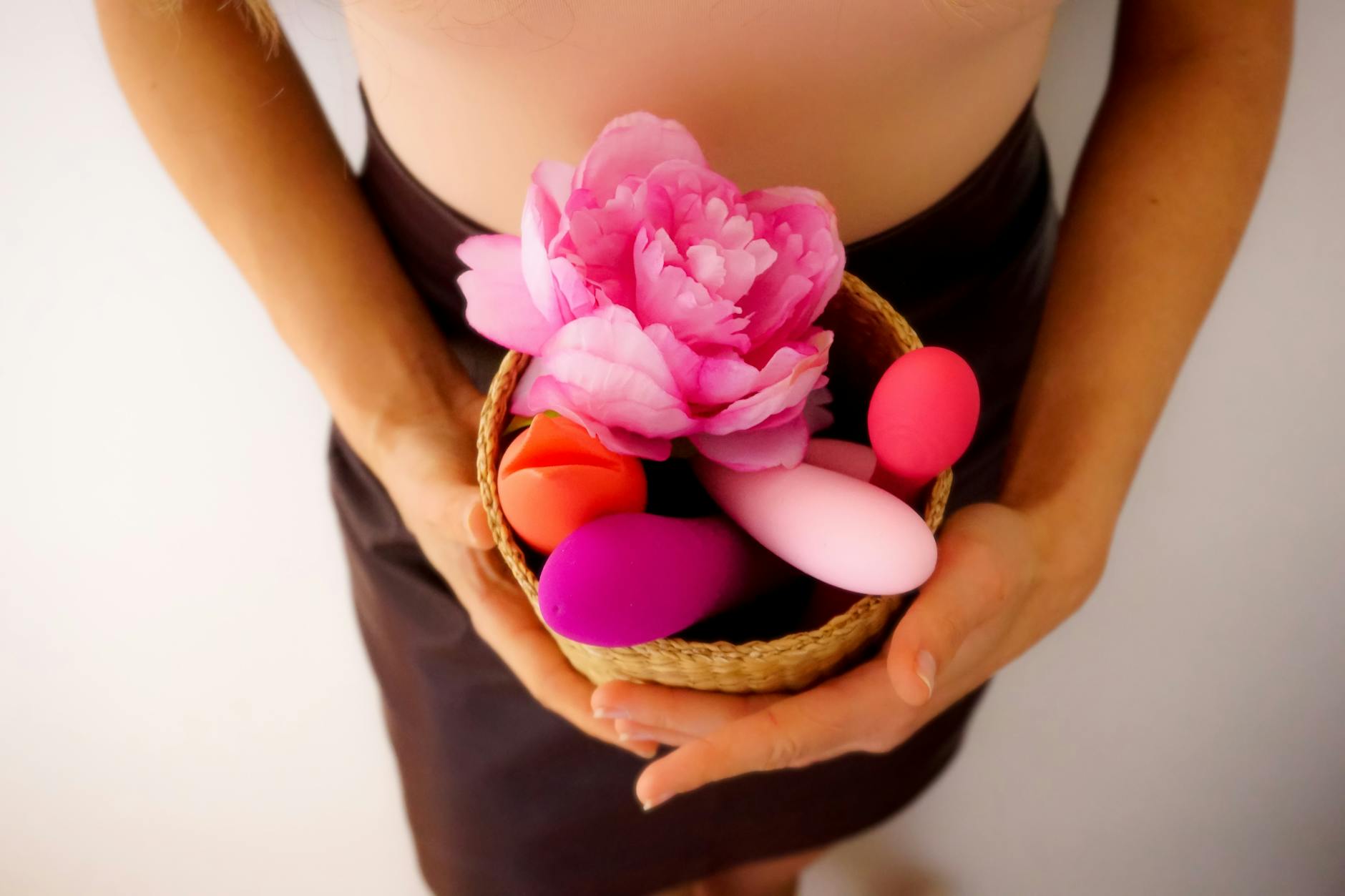
Let's talk about texture aversion and pleasure
If you've ever flinched away from a vibrator because the texture felt wrong, or because the pressure seemed too intense, you're not alone. Sensitivity to touch texture, pressure intensity, or even the sound of vibration is real, and it doesn't mean you can't have incredible pleasure. It just means you need a different tool.
That's where the difference between traditional vibration and suction-based stimulation matters. A lemon clitoral vibrator works on an entirely different principle, which can mean the difference between discomfort and genuine arousal for people whose nervous systems are particular about how they're touched.
Why texture sensitivity stops so many people from exploring
There are a few reasons texture sensitivity shows up in sexual pleasure. Some people have naturally lower sensory thresholds. Others have had experiences that made their nervous system protective around certain sensations. Some have ADHD, autism spectrum traits, or sensory processing differences that make certain textures feel intolerable. And some people just prefer the feel of skin to silicone, or find the vibration frequency too piercing.
Here's the thing nobody tells you: this isn't a problem to overcome through exposure therapy. It's information about what your body actually likes. And the market for vibrators has largely ignored this feedback, defaulting to traditional bullet-shape vibrators with silicone bodies and fixed frequencies.
You don't have to force yourself to enjoy something that doesn't feel good. You can find something that actually does.
How suction works differently from vibration
A lemon vibrator uses air-pulse suction technology instead of the back-and-forth buzzing of traditional vibrators. Instead of the toy itself moving against you, the sensation comes from gentle waves of pressure and release created by suction cups. This is a fundamentally different kind of touch.
Why does that matter for texture sensitivity? Several reasons.
First, there's no rough surface pressing directly against delicate tissue. The stimulation happens through pressure gradients, not texture friction. Second, the sensation is broader and more diffuse, rather than the pinpoint buzz of a bullet vibrator. For people whose nervous systems find concentrated vibration overwhelming, that distributed pressure feels gentler and more natural. Third, you control the intensity through the suction pattern and strength, not by pressing the toy harder against yourself.
For someone who finds the buzz of a traditional vibrator intolerable, the lemon vibrator often feels like the first time pleasure has felt accessible.
The sensory profile of a lemon vibrator
Let me break down what you're actually feeling when you use a lemon clitoral vibrator, in sensory terms.
What you're NOT getting: a buzzing sensation, texture against sensitive skin, pressure that requires bracing, or a sound that triggers overstimulation.
What you ARE getting: rhythmic pulsing without sustained vibration, a sensation more like oral contact than mechanical stimulation, adjustable patterns that you control, and a wider surface area of contact that distributes sensation evenly.
If you've struggled with the harshness of bullet vibrators, the lemon vibrator often reads to your nervous system as gentler, more natural, and less intrusive. Many people who were convinced they couldn't enjoy vibration at all find they respond beautifully to suction.
Starting slowly with suction technology
Even though suction typically feels gentler than vibration, your first experience matters. Here's how to approach it:
Start with the gentlest pattern and lowest intensity. Don't assume you need to work up to the stronger settings. Many people find their absolute favorite sensation at pattern 2 or 3, not at the maximum level. This isn't about pushing yourself. It's about discovering what feels best.
Use water-based lubricant generously. This reduces any texture concern and helps the suction seal work smoothly without dragging. Spend time just feeling the sensation without goal of orgasm. Your nervous system needs permission to explore without performance pressure. If a pattern feels too intense, move down immediately. Your comfort is the only metric that matters.
Remember that sensitivity isn't a ceiling on pleasure. Some of the most responsive people I work with have texture or pressure sensitivities. Once they find the right tool, their capacity for sensation deepens considerably.
Texture sensitivity and partnered pleasure
If you have a partner, using a lemon clitoral vibrator can actually shift the dynamic in positive ways. When you're not bracing against discomfort or managing sensory overwhelm, you have more capacity for connection and presence. You can focus on your partner, on intimacy, on the emotional experience, rather than managing physical discomfort.
You might also find that introducing a lemon vibrator into partnered sex feels less clinical than a traditional vibrator. Because the sensation is more subtle and less aggressive-sounding, it integrates more naturally into intimate touch. Your partner can use it as part of foreplay in ways that feel connected rather than mechanical.
Many couples find that the lemon vibrator becomes something they both enjoy exploring together, precisely because it doesn't feel intrusive or aggressive.
Other sensory considerations
Texture sensitivity often comes bundled with other sensory preferences. If you're sensitive to vibration texture, you might also be sensitive to:
Sound. A lemon vibrator is quieter than most traditional vibrators, which can matter enormously if sound triggers you or if you live with others.
Visual overwhelm. Some people find the sleek, discreet design of the lemon vibrator less jarring than brightly colored or heavily textured toys.
Pressure intensity. Since you control the suction strength and pattern independently, you can find your exact sweet spot without the binary choice of "on" or "off" that some traditional vibrators offer.
Chemical sensitivity. The Lem is made from body-safe silicone, but if you're sensitive to silicone itself, you'd want to know that upfront. Talk to Hello Nancy's support team if you have material sensitivities.
When professional support helps
If your texture sensitivity is tied to trauma, anxiety, or a sensory processing condition like autism or ADHD, working with a sex-positive therapist or somatic practitioner alongside exploring different toys can be genuinely valuable. You're not broken. Your nervous system is protecting you, and understanding why can help you build a practice that feels safe and nourishing.
A therapist can help you separate genuine discomfort from internalized shame about pleasure. Often, people with sensory sensitivities have been told their preferences are wrong, when really they just need different tools and permission to explore at their own pace.
The bigger picture
Lemon vibrators exist because bodies are different. You shouldn't have to choose between pleasure and comfort. If traditional vibrators have never worked for you, it's not because you're broken or unresponsive. It's because you haven't found the right technology yet. Suction-based stimulation opens a whole avenue of pleasure that buzzing never unlocked.
Your sensitivity isn't a limitation. It's useful information about what you need.
FAQ
Can a lemon vibrator work if I find all vibration uncomfortable?
Absolutely. A lemon vibrator doesn't use the same vibration technology as traditional vibrators. It uses air-pulse suction, which feels completely different. Many people who can't tolerate vibration find suction feels natural and responsive. Start with the lowest pattern and give yourself time to explore without pressure.
Will a lemon vibrator feel less intense than a regular vibrator?
Not necessarily less intense, but different. Some people find suction more intense in the best way, while others find it gentler. The key is control. You adjust the pattern and strength to match what feels good, not what the toy decides to do to you.
Is there a best position to use a lemon vibrator if I'm texture-sensitive?
Most people find that lying down or in a comfortable reclined position works best, especially when starting out. This lets you relax your pelvic floor and reduces the urge to brace against sensation. Use plenty of lubricant and give yourself time. There's no rush.
How do I know if my discomfort is texture sensitivity or something else?
Texture sensitivity usually feels like an immediate aversion to how something feels against your skin. It's a sensory reaction, not pain. Pain during sexual activity is different and should be evaluated by a healthcare provider. If you're unsure, that's worth discussing with a pelvic health specialist or a sex-positive therapist who can help you distinguish between the two.
Can texture sensitivity change over time?
Yes. As your nervous system becomes more regulated, you might find your sensory tolerance shifts. But that doesn't mean you need to wait for that shift. A lemon vibrator gives you accessible pleasure right now, while your sensitivity is what it is. You don't have to earn the right to feel good.
What if I like the idea of suction but I'm still nervous about trying it?
That's completely fair. Start with the absolute lowest pattern, with plenty of lubricant, and give yourself permission to stop anytime. You're exploring, not performing. The fact that you're curious is enough. You can reach out to Hello Nancy's team if you have specific questions about how the lemon vibrator works before you buy it.
The takeaway
Texture sensitivity and pressure sensitivity don't disqualify you from pleasure. They're just specifications about what kind of touch works for your particular nervous system. Once you find it, pleasure becomes accessible in a whole new way. A lemon clitoral vibrator might be exactly that.
If you'd like support figuring out what would work best for you, reach out to our team. We're here to help you find what feels right.