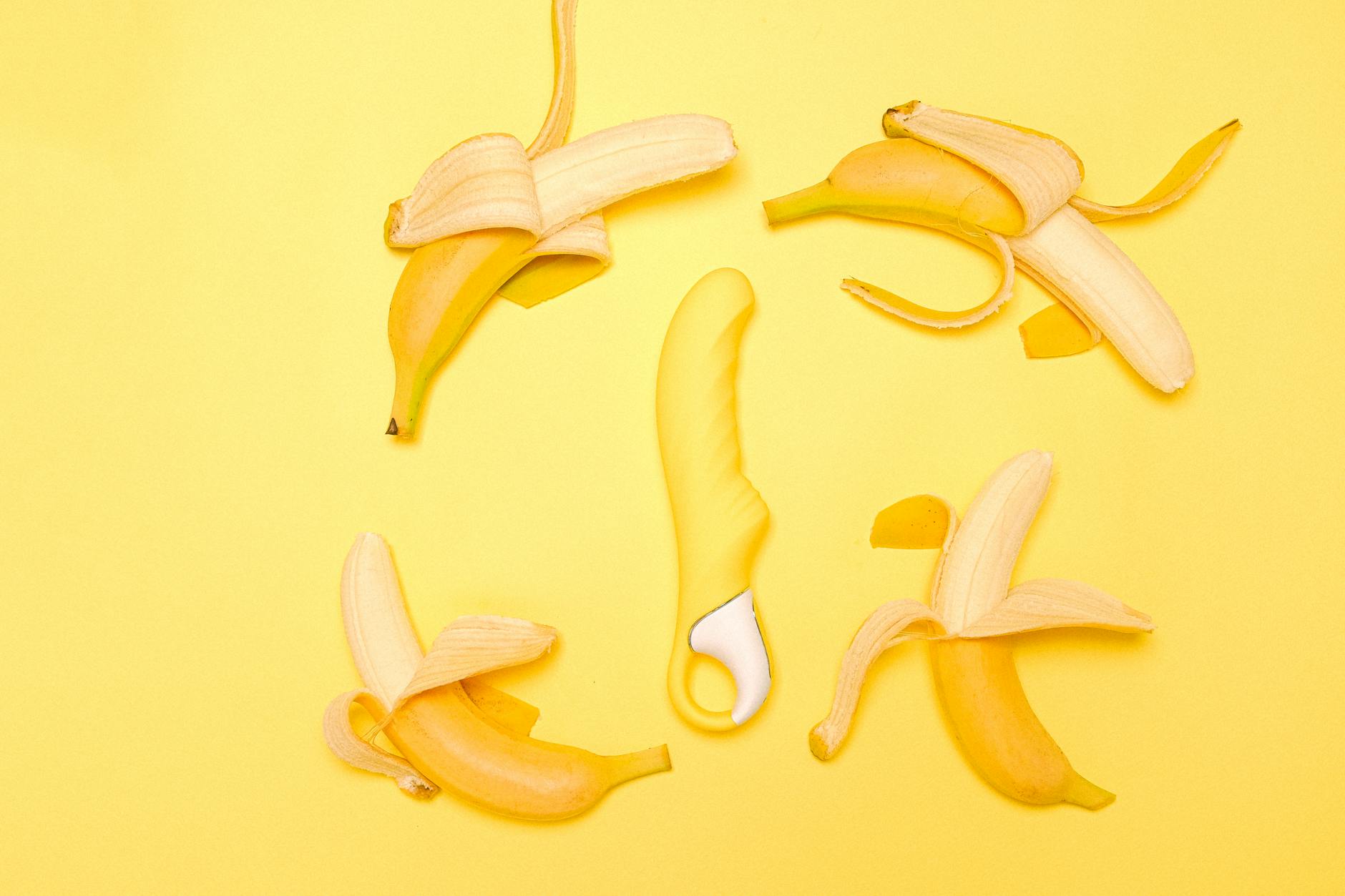
How Lemon Vibrators Improve Sensation When Hormonal Changes Affect Pleasure
Honestly, the thing no one tells you about hormonal shifts is that pleasure doesn't disappear. It recalibrates. Your nervous system rewires, tissue sensitivity changes, arousal patterns shift. And the toy that worked beautifully three months ago might feel completely wrong now.
I work with people through this transition all the time, and the pattern is always the same. Someone switches birth control, comes off hormonal contraception, enters a new phase of their cycle, or experiences perimenopause symptoms. Suddenly their favorite vibrator feels too intense, or not intense enough, or just... off in a way they can't quite name. What they're experiencing is real. What's also real is that lemon clitoral vibrators often feel dramatically different when your hormonal landscape changes, and understanding why can completely reshape how you experience pleasure.
Why hormonal shifts change sensation
Your nervous system is literally a hormone-responsive system. Estrogen affects nerve sensitivity in the vulva and clitoris. When estrogen levels fluctuate, the density of nerve receptors and how quickly they fire changes with it. Lower estrogen means tissue thins slightly, blood flow patterns shift, and what felt like the perfect amount of stimulation suddenly feels either muted or overwhelming.
Progesterone does something different. It dampens arousal signals in the brain and can make your nervous system feel calmer, which some people describe as pleasurable numbness. Testosterone (yes, people with vulvas produce it) directly drives desire and genital sensitivity. Drop your testosterone, and you're working with different baseline sensations.
But here's the thing that matters: these aren't failures of your body. They're information. Your nervous system is telling you that the input you were receiving isn't matching the output anymore. That's where lemon vibrators actually shine.
Suction works differently than vibration when sensation shifts
Traditional vibrators create sensation through pure mechanical movement. They work by bombarding nerve endings with rapid contact and release. That works beautifully when your tissue is at baseline sensitivity. But when hormonal changes make your tissue thinner, more sensitive, or when your nervous system is recalibrating, direct vibration can feel jarring or painful.
Lemon suction vibrators use a completely different mechanism. Instead of vibrating against tissue, they create a gentle seal and apply rhythmic suction. This stimulates nerves differently. You're not getting jackhammer percussion. You're getting a wave-like pressure that builds and releases. It's why so many people find suction-based devices feel more accessible during hormonal transitions.
The other piece: suction doesn't require your tissue to be in perfect condition to feel amazing. Thinner tissue from lower estrogen? Suction actually works better because it doesn't rely on direct friction. Heightened sensitivity from hormonal changes? Suction gives you pressure without rawness. This is why lemon clitoral vibrators often feel revelatory to people mid-transition.
The nervous system angle nobody talks about
Your autonomic nervous system controls arousal. When hormones shift, your baseline nervous system state shifts too. Some hormonal phases activate your parasympathetic nervous system (rest and digest, which facilitates arousal). Others activate your sympathetic nervous system (fight or flight, which blocks it).
When you're in a sympathetic-dominant state because of hormonal changes, your body is literally less primed for traditional vibration. You need slower, gentler input to coax your nervous system back into the parasympathetic state where pleasure becomes possible. This is one reason why lemon suction vibrators feel so different when you're navigating hormonal shifts. The rhythm of suction naturally entrains your nervous system toward relaxation rather than toward the stimulation overload some people experience with high-frequency vibrators.
Practical adjustments for hormonal transitions
If you're noticing sensation changes and thinking about trying a lemon vibrator or adjusting how you use one, here's what actually helps.
Start at the lowest setting. Always. Even if you were using pattern 5 before. Your nervous system needs to recalibrate, and starting lower gives you room to build rather than starting in overwhelm. Most people find they don't need to go higher as hormones stabilize. They find that lower settings feel better because they're listening to their actual body instead of chasing previous intensity.
Warm up differently. Hormonal changes affect how quickly you become aroused. Budget more time for arousal without any toy. Touch yourself with hands first. Let your nervous system warm up on its own timeline, not the timeline your old patterns created. Then introduce the toy. The combination of extended warm-up plus suction-based stimulation often creates sensation that traditional vibrators simply can't match during transition phases.
Use lubrication even if you think you don't need it. Reduced estrogen changes vaginal lubrication even when arousal feels fine. A small amount of water-based lubricant bridges that gap and prevents the friction that can make everything feel wrong. You're not broken. You're just working with different tissue conditions.
Track what changes. Not obsessively, but pay attention. Does your sensation feel different at different times of your cycle? Do certain patterns feel better on certain days? Are there patterns on the lemon vibrator that feel softer or more intense? This information matters because it tells you what's actually happening with your nervous system, and that knowledge lets you work with your body instead of fighting it.
When sensation changes are about more than hormones
Not every sensation shift is hormonal. Sometimes pleasure changes because desire is changing, or because the dynamic with a partner is shifting, or because something in your life is creating stress that blocks arousal. Sometimes tissue sensitivity changes because of inflammation or medication or stress. Sometimes it's genuinely all hormonal.
The thing I tell people is this: if sensation has shifted, that's worth paying attention to. Try adjusting your approach with a tool like a lemon clitoral vibrator that gives you different input options. If sensation still doesn't feel right after a few weeks of adjustment, talk to someone. A gynecologist or sex therapist or both. Not because something is wrong with you, but because sensation is information, and you deserve to understand what it's telling you.
Lemon vibrators as a recalibration tool
I don't think of lemon clitoral vibrators as miracle toys. But I do think they're genuinely useful during hormonal transitions because they offer your nervous system something different. If traditional vibration has started feeling wrong, suction often feels right. If you've been assuming your pleasure is broken, a shift in stimulus often reveals that your pleasure was just mismatched to your current neurological state.
That matters. Because pleasure during hormonal change isn't about forcing your body back into old patterns. It's about meeting yourself where you actually are, with tools and techniques that work for your current biology. A lemon vibrator from Hello Nancy often becomes that tool precisely because it works so differently from what you've tried before. Your nervous system responds to the change, and suddenly what felt impossible feels available again.
Common questions about lemon vibrators and hormonal changes
Why does suction feel better when my birth control hormones are lower?
When estrogen and progesterone levels drop (whether from hormonal birth control changes, perimenopause, or cycle phase), tissue in the vulva and clitoris becomes thinner and more sensitive. Direct vibration can feel raw or overstimulating because it's generating friction against tissue that's not cushioned by the usual hormone-supported plumpness. Suction doesn't work through friction. It works through pressure and rhythm. This makes it gentler on thinner tissue while still creating intense sensation through a completely different neurological pathway.
Can I use a lemon clitoral vibrator if my hormones are making me numb to sensation?
Yes, and in fact many people find it's their breakthrough toy during this exact situation. If your sensation feels muted or delayed because of hormonal shifts, the issue is often that your nervous system is in a sympathetic-dominant state or that traditional vibration just isn't enough stimulation for your current tissue condition. Suction creates a different kind of input. Sometimes that different input is exactly what your recalibrating nervous system needs to reconnect with sensation.
Does using a lemon vibrator during hormonal transition help sensation eventually stabilize?
A toy isn't a treatment. But yes, many people find that using a device that matches their current nervous system state helps them rebuild a healthy relationship with pleasure during transitions. By matching your nervous system's current sensory needs rather than fighting them, you avoid the frustration and shutdown that can happen when you're using the wrong tool. That consistency and positive experience can help pleasure normalize as hormones stabilize.
What if I've been using a lemon vibrator and suddenly it doesn't feel right?
That's also information. Sensation changes are bidirectional. Your pleasure might feel different as hormones rebalance in a new direction. It's worth checking: did your cycle phase shift? Did you switch medications? Did your stress level change? Did you adjust your routine? Any of these can shift your baseline sensation. You might need to adjust the intensity, the pattern, the warm-up time, or take a break and come back to it in a week. Or you might need a different tool for this new phase. Pay attention to what your body is actually telling you.
Is it normal for pleasure to feel completely different when my hormones shift?
Completely normal. Your nervous system is literally wired to respond to hormones. When hormones change, nervous system responsiveness changes. The fact that pleasure feels different isn't a sign something is broken. It's a sign your body is doing exactly what it's supposed to do. Which means pleasure isn't gone. It's just temporarily reconfigured. Understanding that distinction makes all the difference.
Should I see someone if sensation doesn't improve even with adjustments?
Yes. If you've tried adjusting your approach with lemon clitoral vibrators, extended warm-up, lubrication, and different patterns, and sensation still feels significantly off after three to four weeks, talking to a gynecologist or sex therapist is worth it. Sometimes hormonal shifts require actual treatment. Sometimes sensation changes point to something else entirely. A professional can help you sort out what's actually happening and what might actually help. You deserve to feel good in your body. That's not weakness. That's wisdom.
The bigger picture: pleasure doesn't end, it transforms
Here's what I want you to know: hormonal shifts change how pleasure works, but they don't end it. The sensations that felt impossible three weeks ago often become accessible again once you stop fighting your current nervous system state and start working with it. A lemon clitoral vibrator is one tool for that translation. Understanding why it works differently than traditional vibration is another.
Your body isn't broken. Your pleasure isn't broken. You're just in a new chapter, and that chapter might need different tools, different timing, different approaches. Pay attention to what your nervous system is telling you. Experiment with options like suction-based vibrators that work completely differently than what you've tried. And if you need support navigating the transition, reach out. You don't have to figure this out alone. That's exactly what Hello Nancy and resources like these exist for.
Your pleasure matters. Even when hormones are making it feel distant. Especially then.