Here's what nobody tells you about sensitive skin and toys
You don't have to choose between exploring pleasure and protecting your skin. That's the narrative that keeps a lot of people stuck, and it's completely wrong.
The real issue isn't that lemon clitoral vibrators are too rough for sensitive skin. It's that most people pick the wrong material, start at the wrong intensity, and skip the prep work that makes all the difference. Fix those three things, and sensitive skin becomes an advantage, not a barrier.
Why material matters more than the toy itself
Your skin's sensitivity isn't just about irritation. It's about permeability. Sensitive tissue absorbs things faster and reacts to friction differently than resilient skin. The material you choose either works with that reality or against it.
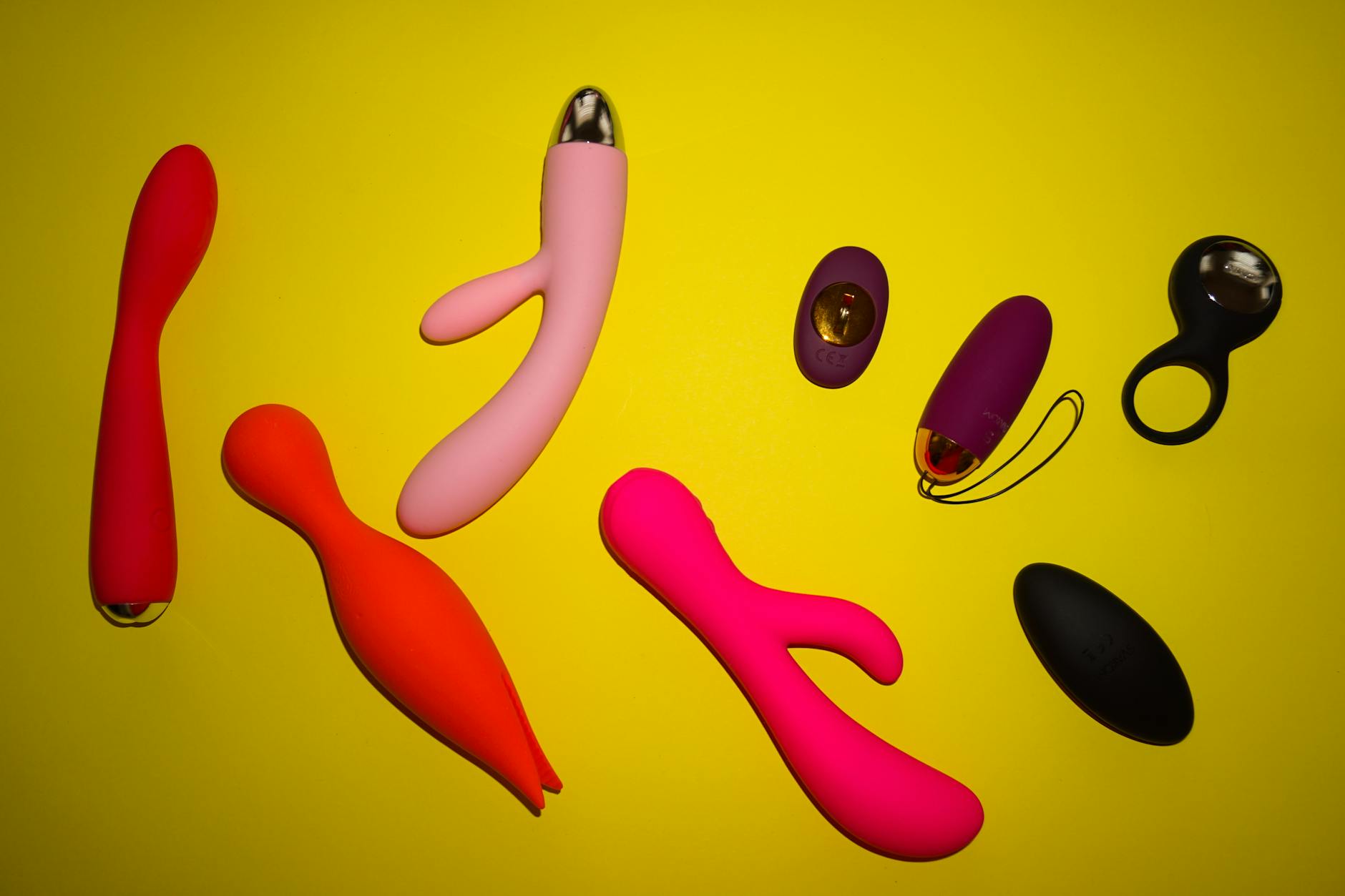
Silicone is the gold standard. Medical-grade silicone, specifically. It's non-porous, hypoallergenic, and doesn't leach chemicals. When you buy a lemon vibrator made from legitimate silicone, you're not dealing with plasticizers or other additives that can trigger reactions. The surface is smooth at a microscopic level, which matters when your skin is reactive.
Glass and stainless steel work too, but they're unforgiving. They don't have the give that sensitive tissue needs. Save those for later, once you understand your body's baseline.
Stay away from anything labeled "rubber," "PVC," or "jelly" materials. These are porous and often contain phthalates, which migrate into tissue over time. Your skin will thank you for skipping them entirely.

Photo by cottonbro studio on Pexels
The intensity question nobody answers honestly
Here's the thing: starting at intensity level 5 on a lemon vibrator isn't brave. It's setting yourself up for irritation.
Let's separate two ideas. Sensitivity and capacity are different. You can have sensitive skin and still build capacity over time. But capacity isn't built by pushing hard from day one. It's built by consistent, gentle exposure that lets your nerve endings and tissues adapt.
When you start with a device like Hello Nancy's lemon sexual toys, begin at pattern 1 or 2. These low pulses mimic natural arousal rhythms without overwhelming reactive skin. Spend 10-15 minutes at that level. Let your body respond. You're not trying to climax on day one. You're teaching your nervous system that this tool is safe.
After three or four sessions, you can experiment with the next intensity level. This isn't slow. This is smart. Most people notice dramatic changes in sensation and response within a week because they're not fighting inflammation.
Lubrication changes everything (and not just for friction)
Water-based lubricant does two jobs for sensitive skin. Yes, it reduces friction. But it also creates a barrier that keeps the toy from drying out tissue and triggering irritation.
I recommend applying lubricant generously before you start, not as an afterthought. Cover the toy. Cover your skin. This isn't about need. It's about protection. Think of it like sunscreen for your pleasure.n Reapply every 10-15 minutes if you're going longer. This matters more with sensitive skin because dehydration is often what people label as "irritation." The tissue just got dry. Add moisture and the feeling shifts.
Skip silicone-based lubes for now. Silicone products can degrade silicone toys over time, and you don't want that layer of complexity when you're figuring out your skin's baseline. Water-based products are easier to clean, wash off completely, and don't interact unpredictably with sensitive tissue.
Technique adjustments that protect your skin
With lemon vibrators, the angle and pressure pattern matter as much as intensity.
Directly pressing the toy against your clitoris for 20 straight minutes creates friction even at low intensity. Instead, try short bursts. Apply the toy for 30-60 seconds, then pull back for 10-15 seconds. This rhythm prevents sustained pressure buildup that irritates sensitive skin.
Angle matters too. A slight diagonal angle, rather than dead-on pressure, distributes the sensation across a wider surface area. Less concentrated force. Same pleasure, better tolerance.
And here's something many people miss: you don't have to keep the toy in one spot. Small circular motions, moving the toy side to side, or alternating between areas of the vulva changes where pressure concentrates. This variation actually intensifies sensation while reducing irritation risk.
If you're using a lemon clitoral vibrator with a partner, communicate these adjustments clearly. "I need shorter bursts" or "Let's move it around" aren't less sexy than static pressure. They're how you actually stay in your body and enjoy what's happening.
Pre-session prep that makes a real difference
Your skin's reactivity changes throughout your cycle, stress levels, and hydration status. A session that felt perfect on Tuesday might feel irritating on Friday. That's not failure. That's information.
Before you use any lemon suction toy or clitoral vibrator, hydrate. Drink water 30-60 minutes before. Skin that's well-hydrated is more resilient. It's not complicated, but it works.
If you have a history of vulvovaginal irritation or infections, consider starting during a day when your skin feels calm, not reactive. You can tell because there's no itching, redness, or discharge changes. Starting from a baseline of calm gives you real data about whether the toy causes issues or whether you're working with existing sensitivity.
Warm yourself up first too. Five to ten minutes of manual touch, breathing, or mentally focusing on pleasure creates arousal that makes the tissue more receptive. A cold, unaroused vulva is more easily irritated. An aroused vulva is more forgiving. This is basic physiology.
How to know if a reaction is normal adjustment or actual irritation
This distinction saves so many people from giving up too early.
Normal adjustment: mild warmth, slight redness that fades within 30 minutes, heightened sensitivity the next day but no pain, gentle tingling that feels pleasant rather than stinging.
Actual irritation: burning that doesn't improve with cooling or lubrication, raw patches, itching that lasts hours, discharge changes, pain beyond the session itself.
If you're in the adjustment zone, you can continue but slow down. Lower intensity. Shorter sessions. More lubrication. Your skin is learning that this input is safe.
If you're in the irritation zone, pause. Switch back to manual touch for a few days. When you return to any lemon vibrator, start even gentler. And if irritation persists, mention it to a gynecologist. Some sensitivities need topical treatment before toy play is comfortable.
Choosing between different lemon vibrators for sensitive skin
The suction-based design of a lemon vibrator (as opposed to traditional vibration) is genuinely gentler on sensitive skin. Suction doesn't depend on friction. It works by creating rhythmic pressure waves that stimulate without scraping. For reactive skin, this is often the right choice.
If you're choosing your first toy, the Lemon vibrator from Hello Nancy is designed specifically with sensitivity in mind. The silicone is medical-grade, the lowest patterns are actually low (not marketing low), and the angle is designed to distribute pressure rather than concentrate it.
If you want options, any Hello Nancy clitoral vibrator marked as suitable for beginners will work. What matters is commitment to starting low and going slow.
The emotional side of starting with sensitive skin
There's often shame wrapped around sensitive skin and pleasure. Like your body should just cooperate. It doesn't work that way, and I want you to release that.
Your sensitivity is information. It tells you that your nervous system is responsive. That can actually mean more intense orgasms, more nuanced sensation, and deeper connection to what feels good. You're not broken. You're just learning to navigate your particular body.
Starting with a lemon clitoral vibrator as a sensitive-skin beginner isn't timid. It's respectful. You're building a relationship with pleasure on your own terms, at your own pace. That's not compromise. That's exactly how it should work.
People also ask
Can I use a lemon vibrator if I have rosacea or eczema on my vulva?
Yes, but with modifications. Medical-grade silicone won't trigger either condition, but sustained friction or heat can. Use water-based lubricant generously, keep sessions short (under 10 minutes initially), and avoid heat sources. If you're in a rosacea or eczema flare, pause toy play entirely for a few days. Your dermatologist can also recommend topical treatments that reduce inflammation while you're exploring pleasure. This isn't off-limits. It's just a slower introduction.
How long does it take to build tolerance with a lemon vibrator on sensitive skin?
Most people notice significant improvement within two weeks of consistent use at gentle intensities. Your skin adapts faster than you'd expect when you're not fighting inflammation. By week three or four, many people are exploring higher intensities without any irritation. That said, everyone's timeline is different. Some people need longer. That's okay. Rushing the process defeats the purpose.
Is water-based lube enough, or do I need something else for sensitive skin?
Water-based lubricant is your foundation. For extra sensitivity, you can layer in something like a hyaluronic acid serum (the kind used in skincare) under the water-based lube. This adds an extra moisture barrier. Some people also find that glycerin-free lubes are less irritating than standard water-based options. If irritation persists, your gynecologist might recommend a specialized vulva-safe lubricant designed for reactive skin.
What if I'm sensitive to vibration but want to try a lemon toy?
This is exactly what suction-based lemon vibrators solve. If traditional vibrators trigger irritation or overwhelm your nervous system, try a lemon clitoral vibrator instead. The sensation is fundamentally different. It's pressure-based rather than friction-based, which many sensitive people tolerate far better. You might find that suction is your sweet spot while traditional vibration stays off-limits.
Should I avoid lemon vibrators if I have vulvodynia or chronic pain?
Not necessarily, but you need professional guidance first. If you have diagnosed vulvodynia, a pelvic floor physical therapist should advise you on whether toy play is appropriate right now and what approach might help rather than trigger pain. Some people with vulvodynia find that lemon vibrators, used carefully and at very low intensity, actually help desensitize the area over time. Others need to wait. Get expert input before starting.
Can I be allergic to silicone toys?
True silicone allergies are extremely rare. What's more common is a reaction to additives in low-quality "silicone" toys that aren't actually medical-grade. This is why buying from trusted brands matters. Hello Nancy toys are medical-grade silicone. You're not paying extra for nothing. You're paying for purity. If you react to a medical-grade silicone toy, the reaction is almost always to something else in your environment, not the toy itself.
Moving forward with confidence
Sensitive skin doesn't mean you can't enjoy lemon vibrators or any other tool for pleasure. It means you need to approach your body with respect and information. Medical-grade silicone, low intensity, generous lubrication, and short sessions give you the foundation. The rest is listening to what your body tells you and adjusting accordingly.
Your pleasure matters. Your comfort matters more. Start there, and everything else follows.
Have questions about your specific situation? Reach out to us. We're here to help you figure out what works for your body, no judgment, no pressure.