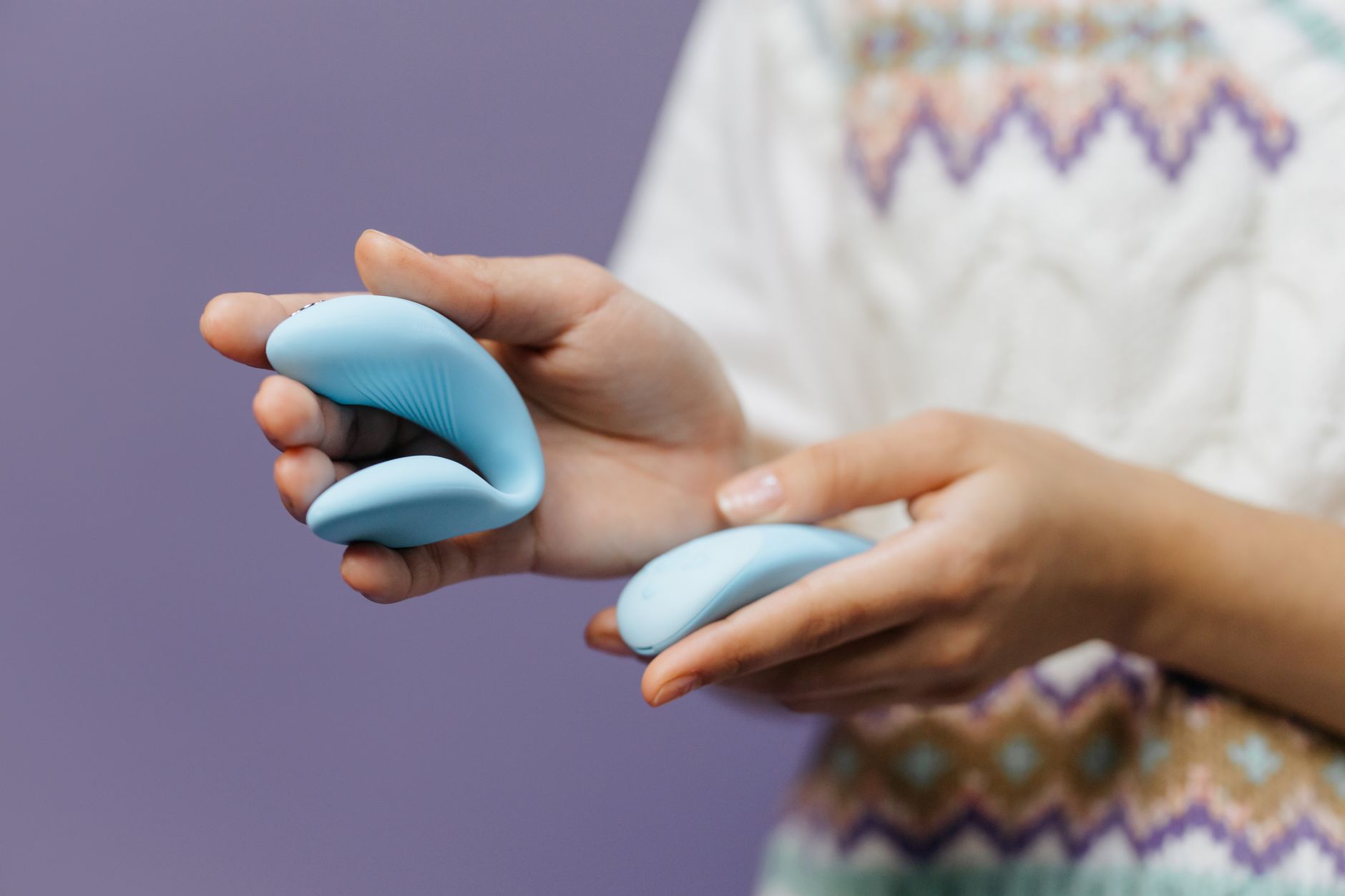
How to Use a Lem Vibrator for Better Orgasms When You're Over 40 and Perimenopause Starts
Let's be real. Perimenopause is not a disease. It's also not something to ignore and hope passes quickly. It's a biological shift that changes how your body responds to touch, how fast arousal builds, and sometimes what an orgasm actually feels like.
The good news? You're not broken. Your pleasure isn't ending. It's relocating. And a lemon clitoral vibrator, specifically the Lem, is one of the smartest tools you can use to navigate this transition with actual sensation and orgasms that feel like yours again.
What actually happens to your body during perimenopause
Honestly, the name "perimenopause" makes it sound vague. It's not. It's the 5-10 years before your periods stop when your estrogen and progesterone levels start playing a chaotic game of ping-pong. Some months they're high, some months they crash. Your body never quite knows which day it is.
Here's what that does to pleasure:
Lubrication gets inconsistent. Some days you're fine. Some days you need help. This is the #1 reason women in their 40s think they're losing desire when they're actually just losing consistency.
Arousal takes longer to build. That 5-minute foreplay that worked at 32? It now takes 15-20 minutes to reach the same level of blood flow and sensitivity. This is not a problem. It's just information.
Clitoral sensitivity shifts. Sometimes it gets sharper, sometimes duller. The tissue thins slightly because estrogen is dropping, which can make direct friction feel too intense. Suction-based stimulation, like what the Lem provides, sidesteps this problem entirely.
Orgasms might feel different. Not worse. Different. Less full-body, sometimes more localized. Or sometimes more intense. Everyone's body writes its own story.
Why suction-based lemon vibrators work better than traditional vibrators now
This is the critical insight that changes everything.
Traditional vibrators create pleasure through direct vibration against tissue. During perimenopause, when that tissue is thinning and sensitivity is unpredictable, direct vibration can feel overwhelming, numbing, or uncomfortable. You end up chasing sensation instead of receiving it.
The Lem works differently. It creates a gentle suction rhythm that simulates the sensation of oral sex without the friction. This approach has three massive advantages right now:
1. It requires zero pressure adjustment from you. You're not trying to find the perfect angle or pressure point. The suction does the work. This matters when sensitivity is bouncing around.
2. It engages more nerve endings at once. Suction stimulates a wider area of tissue than a vibrator point, which means more neural input and often deeper, more satisfying orgasms.
3. It doesn't numb you out. Because there's no relentless friction, your tissue stays responsive session after session. Many women find they can have multiple orgasms with suction toys when traditional vibrators leave them numb after one.
That's not marketing. That's neural adaptation.
Building your arousal curve when it's getting slower
Your arousal didn't disappear. It just needs more runway.
During perimenopause, your body needs what I call a "layered approach" to pleasure. Don't try to jump straight to intensity. Build it in stages.
Stage 1: Mental arousal (5-10 minutes). Start with content or fantasies that actually turn you on. Not something you think you should want. Something that makes you feel heat.
Stage 2: Touch without the Lem (5-10 minutes). Use your hands, a partner's hands, or even a simple wand vibrator on the lowest setting on your thighs, stomach, or labia. Anywhere but the clitoris yet. Let blood flow gather.
Stage 3: Introduction of the Lem (10-20 minutes). Start on pattern 1 or 2. The Lem has five patterns, but you won't need them all. Most women in perimenopause find patterns 1-3 sufficient because the depth of sensation compensates for what you might crave in speed.
Stage 4: Intensity buildup if you want it (5-10 minutes). Once you're already aroused, then experiment with patterns 4-5. But notice this: you might not want them. Many women find the lower patterns deliver more satisfying orgasms.
This whole sequence might take 45 minutes. That's not foreplay. That's pleasure. That's your new baseline, and it's often better than the rushed sex of your 20s.
Managing clitoral sensitivity when it's erratic
Some days your clitoris feels like a sensitive button. Some days it feels like you're wearing a wetsuit over it.
The Lem handles both because suction is naturally self-regulating. If your tissue is very sensitive, the gentleness of the sensation prevents overstimulation. If your tissue is less responsive, the suction creates depth without requiring you to increase pressure and friction.
But here's what you do deliberately:
On high-sensitivity days: Use the Lem on patterns 1-2, take longer warm-up time, and use water-based lubricant even if you think you don't need it. The lube reduces any micro-friction and makes the suction feel silkier.
On low-sensitivity days: You might jump straight to pattern 3, skip some of stage 2, and actually shorten your warm-up because your body is cooperative. Don't fight your cycles. Work with them.
On totally inconsistent days: Honestly, skip penetrative sex. Focus solo with the Lem. Your body doesn't owe anyone consistent desire.
What happens with a partner when your arousal is changing
This is where most couples hit turbulence. One partner interprets slower arousal as lower desire. The other feels rushed and resentful.
Here's what actually helps: talk about it as a logistics shift, not an emotional crisis.
"I need 20 minutes instead of 5 now. Can we start earlier or plan differently?" is a conversation. "You're not attracted to me anymore" is a different conversation, and it's usually wrong.
Manypartners find that the longer warm-up period deepens intimacy because you're actually paying attention to each other instead of rushing to a finish line. And if you introduce a lemon clitoral vibrator into partnered sex, the visual element often heightens their arousal too.
Your slower arousal is not a problem to fix. It's an invitation to change the rhythm of your sex life.
How to use the Lem without triggering that numb-out sensation
One real concern: numbing.
During perimenopause, your nerve sensitivity is already in flux. If you use the same toy the same way every single day, you can trigger desensitization faster than you might have in your 30s. The Lem helps here because the pattern variety is built in, but you have to use it strategically.
Rotate patterns. Don't get locked into using pattern 3 every time. Try pattern 1 one session, pattern 2 the next, pattern 4 later. Variety keeps your nervous system engaged.
Take breaks. If you're using the Lem daily or several times weekly, take 2-3 days off. This resets your tissue's sensitivity.
Vary your timing. Don't always use it right before bed. Sometimes use it mid-morning when you're more alert and your body chemistry is different.
Change positions. If you always use it lying down, try sitting. Try standing. The angle of stimulation shifts slightly, which recruits different nerve pathways.
Numbing isn't inevitable. It's just what happens when sensation becomes predictable. Mix it up, and you stay responsive.
When to see a doctor about what you're experiencing
Not everything that changes during perimenopause requires medical intervention. But some things do.
If you're experiencing painful orgasms, pain during arousal, or pain after sex, that's worth a conversation with a gynecologist. Perimenopause can sometimes trigger pelvic floor tension or changes in tissue health that are very treatable. A lemon clitoral vibrator can help, but it's not a replacement for medical evaluation.
If your desire has completely flatlined and nothing is turning you on, that might be low testosterone, thyroid issues, or even depression. Again, very treatable, but you need to mention it to your doctor.
And if you're bleeding heavily or having periods every two weeks, that's perimenopause, but it's also something to monitor with a medical professional.
The Lem is a powerful tool. It's not a substitution for healthcare.
Rebuilding confidence in your body's pleasure capacity
Here's what I see most often: women over 40 assume their body is failing because pleasure is different.
It's not failing. It's evolving.
Most women report that once they adjust to the timeline shift (slower arousal, different sensation, maybe different orgasm shape), the orgasms they have during and after perimenopause are the most satisfying of their lives. Why? Because they finally stopped performing and started feeling.
The Lem is part of that recalibration. It gives you permission to slow down, to experiment without shame, and to discover what your body actually wants now, not what it wanted at 32.
That's the real pleasure upgrade.
People also ask
Can I use a Lem vibrator during perimenopause if I'm already on hormone therapy?
Absolutely. Hormone therapy doesn't reduce the benefit of a lemon clitoral vibrator. In fact, many women find the transition easier on HRT because the hormonal swings are smaller. The Lem works just as well whether you're on therapy or not. The key is still the suction mechanism, which adapts to your tissue's current state regardless of your hormone levels.
How often can I use the Lem during perimenopause without numbing myself?
There's no fixed rule, but most people do well with 3-5 times weekly if you rotate patterns and take breaks. Some people use it daily without issue if they vary the patterns and take one full day off each week. The goal is rhythm, not rules. Pay attention to whether orgasms feel as strong as they used to. If they're dulling, dial it back.
Will using a Lem vibrator make my partner feel inadequate?
Not if you frame it correctly. Many couples find that bringing a lemon clitoral vibrator into partnered sex actually increases their connection because they're solving a problem together instead of one person feeling frustrated and the other feeling pressured. The best approach is honesty: "My arousal is slower now. I want to figure this out together. This tool helps me." Most partners appreciate the collaboration.
Should I use lubricant with the Lem during perimenopause?
Yes, water-based lubricant is smart even if you're naturally lubricated. Perimenopause makes lubrication unpredictable, and adding lube ensures the suction sensation stays consistent and comfortable. It also reduces any micro-friction that might make sensitive tissue feel irritated afterward.
Can the Lem help if my clitoris is too sensitive to touch during perimenopause?
Often yes. Because the Lem uses suction instead of vibration, it distributes stimulation across a wider area instead of concentrating it on one hypersensitive point. Many women with fluctuating clitoral sensitivity find suction more comfortable than traditional vibrators. Start on pattern 1, use lubricant, and you'll probably find it feels gentler than you expect.
Is it normal to need more stimulation to orgasm during perimenopause?
Completely normal. Your nervous system is adjusting to changing hormone levels. This doesn't mean you're broken or less responsive. It means your arousal system needs more input to reach the threshold for orgasm. That's why longer warm-up time and a tool like the Lem (which provides consistent, targeted stimulation) often solves the problem quickly.