
Let's start with the actual problem
One partner initiates. The other partner flinches. Then comes the conversation nobody wants to have: "Why don't you want me anymore?" Which is never really about frequency at all. It's about feeling wanted, feeling rejected, and the terrible math of someone's need meeting someone else's reluctance.
Mismatched sexual frequency is one of the top reasons couples end up in my office. But here's what surprised me after twenty years of doing this work: it's almost never a biological incompatibility. It's almost always a communication problem wearing a desire costume.
Why frequency mismatch actually happens
There are three real reasons couples end up on different pages about how often they want sex.
Reason one: One partner feels pressured, so they build walls. When someone feels initiating comes with emotional weight (rejection sensitivity, performance anxiety, "will they say no?"), they stop initiating altogether. The lower-desire partner often isn't actually lower-desire. They're just protecting themselves from repeated small rejections.
Reason two: One partner has learned that frequency means obligation. If sex has been framed as "something I do for you" instead of "something I do for me," the lower-frequency partner has already decided: this isn't pleasurable. This is a job. And jobs have shift limits.
Reason three: Arousal styles are wildly different. One partner needs zero warm-up and can be ready in ninety seconds. The other needs thirty minutes of connection, conversation, and context to even feel interested. The faster partner interprets the slower one as "not interested." The slower partner feels rushed and resentful. Both are right about what's happening. Both are wrong about what it means.
How a Lem Vibrator reframes the whole conversation
Here's the shift: instead of framing this as "partner A wants more sex, partner B resists," introduce a Lem as a way for the lower-frequency partner to take back agency over their own pleasure.
That's different than suggesting a vibrator as a band-aid for rejection. That doesn't work and it actually makes things worse. What does work is reframing solo pleasure as decoupled from partnered sex. You can do both. They serve different needs.
When a partner with lower frequency desire begins using a lemon clitoral vibrator for their own pleasure, a few things shift:
- They reconnect with their body without the pressure of performing for someone else.
- They stop seeing pleasure as a resource they're rationing.
- They often discover their frequency preference was actually a defense mechanism, not a genuine biological reality.
- The higher-frequency partner gets to witness their partner being genuinely aroused—which feeds their own desire.
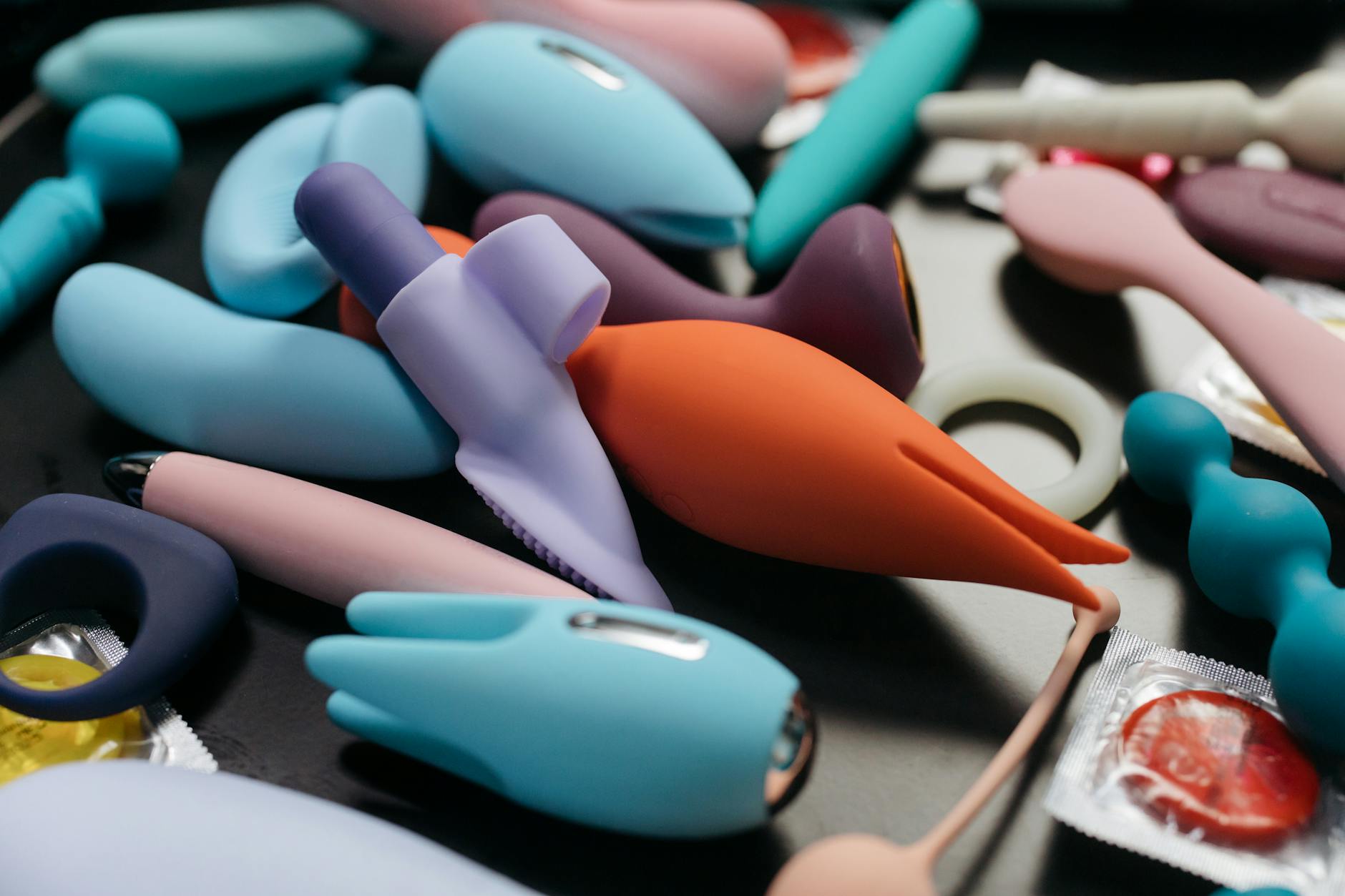
Photo by cottonbro studio on Pexels
The practical setup that actually works
Okay, so how do you actually introduce this without it feeling like a rejection?
Step one: Separate solo pleasure from partnered sex in your conversation. Don't say "I want to use a vibrator because you don't satisfy me." Say "I want to spend more time getting to know what feels good to my body right now. I'd like to explore that solo first, and maybe sometimes with you later." These are genuinely different conversations.
Step two: The higher-frequency partner steps back. Not out of the picture. Just out of the requirement cycle. When the lower-frequency partner starts using a Lem Vibrator for their own pleasure—maybe three times a week, maybe twice a month, whatever frequency feels genuinely good—something shifts. They're not performing. They're not obligating. They're exploring on their own terms.
Step three: Invite, don't insist. Once your partner has established their solo rhythm, occasionally ask if they'd like you in the room. Or watching. Or touching them while they use their lemon clitoral vibrator. The invitation matters. The "no, not tonight" matters less now because there's no rejection math happening. They already had their pleasure today. This would just be together.
Step four: Track the actual pattern, not the fantasy pattern. You want sex twice a week. Your partner genuinely prefers once every ten days. That's not a problem to solve. That's a schedule to create and honor. A Lem Vibrator lets both of you get what you need without resentment.
Why air-suction clitoral vibrators work better for this specific situation
When a partner has been reluctant about sex, friction-based vibrators can feel intense in a way that shuts everything down. The pressure, the noise, the way they demand particular positioning—it all adds friction to an already charged situation.
Air-suction technology is different. The sensation is less about direct pressure and more about a gentle pulse of suction that stimulates without overwhelming. It's quieter. It requires less specific positioning. And crucially, the experience feels less "clinical" and more actually pleasurable.
Which means when the lower-frequency partner uses a Lem for solo pleasure, they're not just checking a box. They're having good experiences. They're building positive associations with their own arousal. And that changes everything about how they show up in partnered sex.
What changes and what doesn't
Let me be clear about what a vibrator won't do: it won't make someone want sex more if the real issue is emotional disconnection, unresolved conflict, or genuine biological mismatch. If your partner actually doesn't like sex, a Lem won't fix that. And it shouldn't have to.
But if your partner's lower frequency is actually fear, or pressure, or learned obligation, a Lem becomes a way to build pleasure back into their own body. Which feeds back into the relationship.
Many couples tell me that once the lower-frequency partner had permission to explore solo pleasure, they actually wanted partnered sex more—not because the vibrator convinced them to, but because they got back in touch with what good pleasure actually feels like when there's no obligation attached.
The conversation you actually need to have
Before you buy anything, you need to talk about what the frequency mismatch actually means. Not the fantasy version where "we should want the same thing." The real version.
Here are the actual questions: What does sex mean to you? What does initiation feel like for you? When was the last time you felt genuinely turned on—not obligated, not performing, actually turned on? What would make you want sex more? What would make you okay wanting it less?
Those answers are going to point you toward whether a Lem Vibrator is actually useful here, or whether you need to fix something else first.
But if the real issue is that one partner feels pressured and the other feels rejected, introducing a way for both of you to get your needs met without resentment? That's genuinely useful.
FAQ: Frequency mismatch and vibrators
Q: Will using a vibrator make my partner less interested in sex with me?
A: The opposite usually happens. When a partner feels they have permission to explore pleasure on their own terms, the resentment around partnered sex often drops. That said, if the real issue in your relationship is emotional distance, a vibrator is a symptom-band-aid, not a solution. You'd need to address the actual disconnection first.
Q: How do I bring this up without sounding like I'm rejecting them?
A: Frame it as a "for me" thing, not a "instead of you" thing. "I want to get more comfortable with my own arousal. I'd like to explore that solo for a bit." Then actually follow through. Use it, enjoy it, let them see you enjoying it. That's way more convincing than explaining it ever will be.
Q: My partner wants to watch me use a Lem Vibrator, but I feel exposed.
A: Start solo until you're comfortable. Let them in when you're ready, or never—both are completely fine. Being watched changes the experience. Some people love that shift. Others don't. Your comfort matters more than their curiosity.
Q: Should we use a lemon clitoral vibrator together if we're trying to sync up on frequency?
A: Eventually, maybe. But first, use it solo. Build the habit. Get comfortable with what actually feels good. Then invite your partner to join sometimes. The order matters. Solo first = less performance anxiety = more genuine pleasure = better partnered experiences later.
Q: How often should the lower-frequency partner be using a Lem Vibrator?
A: Whatever frequency feels genuinely good. Not "what I think I should want." Not "what will make my partner happy." What actually feels good to your body. Three times a week, once a month, twice a day—there's no wrong answer if it's honest.
Q: What if my partner feels threatened by my Lem Vibrator?
A: That usually means the real conversation hasn't happened yet. A vibrator isn't a threat. Unresolved feelings about rejection, inadequacy, or disconnection are. Start there. A Lem can be part of rebuilding, but it's not the starting point.
The actual outcome
Frequency mismatch isn't a design flaw in your relationship. It's feedback that something in the current structure isn't working for one or both of you. A Lem Vibrator doesn't fix relationships. But when combined with honest conversation, permission, and a genuine willingness to understand your partner's actual needs instead of your fantasy of their needs, it becomes a tool for rebuilding.
Your partner doesn't have to want sex as often as you do. And you don't have to pretend to want it less. You can both get what you need. A lemon clitoral vibrator just makes that easier to build.
Ready to have the actual conversation? Start with the questions above. And if you need help navigating how to use lemon vibrators when emotional connection feels low, that's a whole separate conversation worth having.
For couples rebuilding after major disconnection, how lemon vibrators help rebuild intimacy after major life transitions might be useful too.