Here's what nobody tells you about pleasure after 50
Your orgasms don't disappear. They transform. And if you're willing to adjust your approach, they often become the best ones of your life. I've worked with hundreds of clients in their 50s, 60s, and beyond, and the pattern is consistent: the people who feel most satisfied are those who stopped waiting for the same experience they had at 30 and started exploring what actually works now.
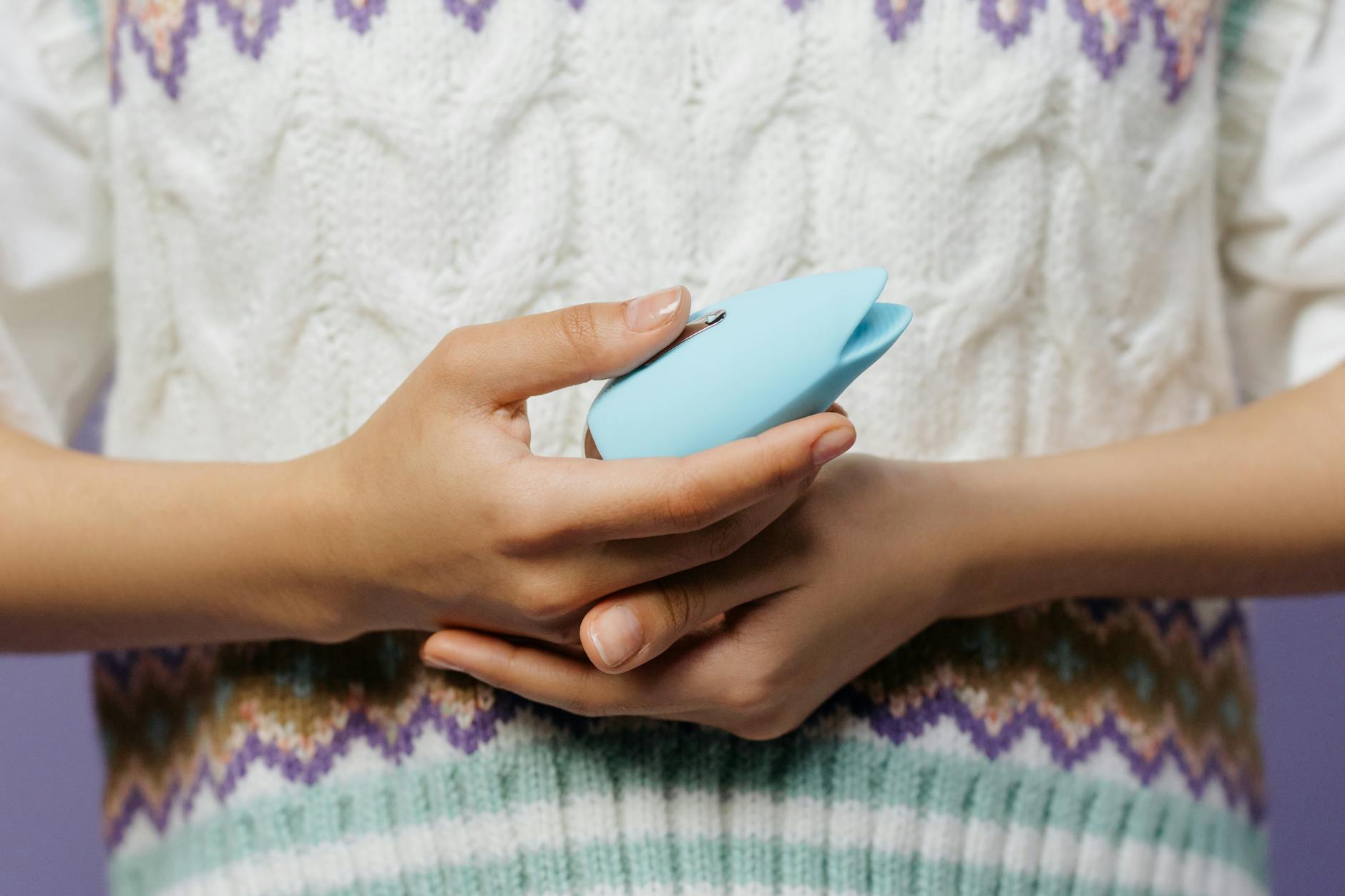
The shift from traditional vibrators to air-suction technology like the Lem is part of that story. It's not a downgrade. It's a redirect.
Why your body needs a different approach now
Three physiological things happen after 50 that change the orgasm equation.
Tissue changes matter more than you'd think. Estrogen levels drop, which makes genital tissue thinner and more sensitive. Direct, intense vibration can feel sharp or even uncomfortable. Air-suction devices like lemon clitoral vibrators work differently. They stimulate without the friction, which means you get intense sensation without the pressure that can leave you sore.
Arousal takes longer. Your body isn't lazy. It's actually more selective about what triggers response. Foreplay that felt optional at 35 becomes essential at 55. Most clients report they need 20-30 minutes of warm-up instead of 5-10. This isn't a problem. It's an opportunity to slow down.
The orgasm pathway shifts slightly. Some people find their orgasms feel more localized rather than full-body. Others experience multiple smaller peaks instead of one intense plateau. Neither is better or worse. They're just different. A lemon vibrator's suction pattern often suits these midlife orgasms because it concentrates stimulation without requiring the sustained pressure that can fatigue your body.
The technique that actually works
Start by understanding that you're building toward something, not performing for someone. That mental frame alone changes everything.
Step one: Create the right context. Block 45 minutes, minimum. Close the door, silence your phone, light a candle if that helps you shift mental gears. You're not being self-indulgent. You're being thorough. Most women over 50 report that mental clarity is as important as physical stimulation. Remove the distractions.
Step two: Warm up longer than feels necessary. Use your hands, a partner's hands, or a softer device first. Spend 15-20 minutes building arousal before you introduce the lemon vibrator. This primes your body's response system and helps you feel the suction more distinctly once you apply it.
Step three: Start at the lowest intensity setting. The Lem has multiple pattern options. Begin on pattern 1 or 2. Your tissues are more reactive now. You don't need to prove anything by jumping to pattern 5. Adjust upward only if the lower setting stops feeling satisfying after a minute or two.
Step four: Apply the toy with intention, not pressure. The magic of air-suction devices is that they work through contact, not force. Hold the Lem against your clitoral area with gentle, consistent pressure. You're not pushing. You're just maintaining contact. Many clients say that once they stop trying to "drive" the experience and let the device do its work, everything changes.
Step five: Allow the rhythm to build. Don't rush. Many women over 50 find they need 10-15 minutes with the toy before orgasm starts building. This isn't a delay. This is your body working the way it's supposed to now. Stay with it.
The mental game matters as much as the physical
I work with a lot of couples where one partner is over 50, and the most common complaint isn't physical dysfunction. It's impatience. Someone's nervous it's taking too long. Someone's worried they're broken. Someone compares themselves to how they used to be.
All of that noise silences the actual sensation.
If you're partnered, one conversation helps: "This takes longer now, and I like it better this way." Full stop. That's not a request for accommodation. That's a boundary. If you're solo, give yourself the same gift. You have permission to spend 30 minutes on your own pleasure without feeling like you're being inefficient.
The other mental shift is permission to enjoy sensation that feels different. Maybe your orgasm used to be a sudden peak. Now it might feel like a series of rolling waves. Maybe it used to be intensely physical. Now it might be quieter, more concentrated. The cultural narrative says "real" orgasms should look a certain way. That's nonsense. Your orgasm is whatever your body produces. Full stop.
When lemon clitoral vibrators outperform traditional toys
You might be wondering why air-suction technology specifically works better for people over 50. It comes down to a few things.
Less tissue trauma. Traditional vibrators create friction and impact. After prolonged estrogen decline, your tissues bruise more easily. Air-suction doesn't have that issue. The Lem's gentle suction creates stimulation without the mechanical abrasion.
More forgiving of sensitivity changes. If you find that direct stimulation feels too intense some days and just right other days, air-suction devices adapt better. You can hover slightly off-contact and still feel the stimulation, which gives you more control.
Better sensation for varied arousal patterns. Once you're over 50, your body might respond more to indirect stimulation or broader pressure patterns rather than a pinpoint buzz. The Lem's design stimulates a wider area, which matches how many midlife bodies prefer to be touched.
Common worries, answered honestly
"Is it normal that it takes me 20 minutes now?" Yes. Completely normal. Blood flow changes, hormone levels shift, and your nervous system processes stimulation differently. Twenty minutes is fine. Thirty is fine. The only timeline that matters is yours.
"What if I can't feel much sensation anymore?" This happens, and it's worth investigating with a doctor first. Certain medications, especially antidepressants, can mute sensation. So can undiagnosed diabetes or circulation issues. But often, it's just a matter of changing the tool. The Lem's suction pattern reaches different nerve pathways than traditional vibration does. Many clients who felt "numb" with other toys report sensation returning with air-suction devices.
"Will my partner mind if I need to use a toy?" If your partner minds that you're taking steps to feel pleasure, that's a relationship issue, not a you issue. A partner who loves you wants you to feel good. Full stop. If this is a tension in your relationship, that's worth discussing directly, or with a couples therapist if the conversation feels too charged to handle alone.
"What if I just don't orgasm anymore?" Some people over 50 find that orgasm becomes less important to their satisfaction. That's okay. Pleasure and connection aren't the same as orgasm. But if orgasm matters to you and has stopped happening, that deserves attention. A gynecologist who specializes in midlife sexual health can help rule out medical factors. And sometimes, simply adjusting your expectations and technique (like switching to a lemon vibrator) reboots the whole system.
The bigger picture
Your 50s are not a performance phase. You're not trying to prove you're still young or still sexy. You're exploring what actually feels good in your body right now. That mental freedom is worth more than the physical changes are lost. Most clients tell me their best orgasms came after 50 precisely because they stopped performing and started paying attention.
The lemon vibrator is a tool. A really good one. But the real shift happens when you decide that your pleasure matters enough to spend time on it, to be honest about what works, and to let go of the timeline you think you "should" have.
Frequently Asked Questions
How long should I wait after stopping hormonal therapy to see changes in pleasure?
Sensation and arousal patterns can start shifting within a few weeks of stopping hormones, but the full adjustment typically takes 2-3 months. Your body is recalibrating its response to stimulation. If you're switching from traditional vibrators to a lemon clitoral vibrator, give yourself at least four uses before deciding if it's right for you. Your body needs time to understand the new sensation.
Can I use a lemon vibrator if I'm experiencing vaginal dryness?
Yes, absolutely. In fact, air-suction devices are often better than traditional vibrators for dryness because they don't create friction. Pair it with a water-based lubricant for comfort. The lube isn't because you're broken. It's just a tool. Many people over 50 use lube regardless of whether they're experiencing clinical dryness, simply because it makes sensation more comfortable and consistent.
What if my partner and I have different timelines for arousal now?
This is incredibly common and worth discussing directly. If you need 25 minutes to build arousal and your partner is ready in 5, you're on different clocks. That's not a mismatch. It's information. Some couples solve this by separating solo and partnered pleasure. Some build in a longer foreplay window together. The point is to name it and decide together what works, rather than one person silently resenting the other's pace.
Should I use my lemon vibrator during partnered sex or only alone?
Whatever works. Some couples find that a lemon vibrator becomes part of partnered pleasure because it creates sensation that fingers or a partner's body alone can't replicate. Others prefer using it solo because it feels more focused. There's no "should" here. Experiment and see what feels good. And if you do use it with a partner, talk about it first. No surprises.
How do I know if I'm using the right intensity level?
You should feel stimulated and comfortable, never numb or overwhelmed. If you're gripping the device tightly or your jaw is clenched, the intensity might be too high or the pattern might not suit you. If you're feeling almost nothing, try moving to the next intensity up. But also remember that sensation changes throughout the month, depending on your cycle (if you still have one), stress levels, and how recently you last used the toy. One day's "perfect" setting might feel different the next week.
Is it normal to feel frustrated when orgasm takes longer than it used to?
Completely normal, and also worth examining. Some of that frustration is grief for how your body used to work. That's legitimate. But some of it might be performance pressure you've internalized. If you notice you're thinking "I should be able to do this faster," pause and ask yourself: faster than what, and for whom? Often, releasing that pressure actually makes orgasm easier. Your body is trying to feel good. Get out of its way.
Can hormonal changes after 50 make me unable to orgasm with a clitoral vibrator?
Sometimes, yes. Certain medications, blood sugar imbalances, or thyroid issues can mute orgasmic response. Before assuming it's permanent, check in with a doctor. But also remember that "unable to orgasm" and "orgasm is different now" are not the same thing. Many people report that switching from traditional vibration to air-suction technology like the Lem reboots sensation they thought was gone. It's worth trying before concluding the capacity is lost.
Your body at 50+ is not broken. It's evolved. The right tools and the right mindset turn that evolution into your advantage.