
Let's name the thing nobody says out loud
Low libido doesn't mean you're broken. It means your nervous system has learned to conserve. That's a feature, not a bug. Your body is protecting you from something. The trick is figuring out what it's protecting you from, and then letting it know the coast is clear.
This is where most people get stuck. They buy a toy expecting desire to show up first, then pleasure. But with low libido, the sequence is reversed. Pleasure comes first. Desire follows.
Why lemon vibrators change the equation for low-desire bodies
Let me explain the neuroscience piece first because it matters. When your libido is low, your body has learned to move slowly into arousal. Traditional vibrators demand a specific kind of engagement. You have to build toward them. You have to know what you want before you use them.
Lemon clitoral vibrators, including the Lem vibrator, work differently. They use suction instead of vibration. That means they stimulate nerves indirectly, through gentle pressure changes rather than direct friction. For low-libido bodies, this is crucial because it means you can experience pleasure without having to manufacture desire first.
Your brain doesn't have to do the work. Your nervous system does.
When desire is low, the cognitive load of "I should want this" becomes the biggest barrier to sensation. A lemon vibrator bypasses that. You're not performing arousal. You're not waiting for your body to catch up to your intention. You're just receiving stimulus, and your nervous system responds because the stimulus is designed to trigger response.
The three things that kill libido (and how this changes them)
Pressure. The expectation that you should want sex creates tension. Tension blocks arousal. A lemon clitoral vibrator removes the pressure because there's no performance metric. You're not trying to have an orgasm. You're just exploring sensation.
Disconnection from your own body. Low libido often lives in people who've spent years calibrating their pleasure around someone else's needs. You stop paying attention to what feels good because you're too busy managing the other person's experience. A lemon vibrator forces you back into your own body. It's just you and sensation. Nothing else.
Overwhelm in the nervous system. If you're stressed, grieving, dealing with health stuff, or navigating relationship friction, your vagus nerve has learned that pleasure is not safe right now. Your body downregulates arousal to protect you. A lemon vibrator's gentle, predictable stimulation actually helps your nervous system calm down. You're not ramping up intensity. You're staying in a window where your body can relax and receive.
How to use a lemon vibrator when desire is low
Here's the practical part. This is different from how you'd use a traditional vibrator.
Start with the lowest setting. Not because you're sensitive, but because you're building a new relationship with your body. Pattern one on the Lem vibrator is designed to feel almost gentle. It's not supposed to be intense. It's supposed to feel like invitation, not demand. Spend time here. Days. Weeks if you need to. The goal is to help your nervous system learn that pleasure is safe.
Don't chase the orgasm. This is counterintuitive but essential. When libido is low, orgasm becomes the finish line. But you haven't rebuilt the path to get there. So you create more pressure. Instead, spend 15 to 20 minutes exploring sensation without any expectation of climax. Notice what patterns feel good. Notice which intensity levels make you want to stay, versus which ones make you tense up. This is data. Your body is telling you what it needs.
Build anticipation, not obligation. If you're using a lemon vibrator with a partner, don't schedule sex. Instead, say "I'm going to spend 20 minutes with myself this weekend." That's it. No performance, no invitation for them to join, no promise of anything. You're just rebuilding your own relationship with pleasure. Your partner benefits because you benefit.
Pair it with something soothing. A candle. A specific playlist. A time of day when your nervous system is already calm. The goal is to signal to your body that this is a safe window. Not rushed, not squeezed between other things, not something you're doing because you should. Something you're doing because your body gets to rest and receive.
Why lemon suction works better than traditional vibration for low libido
The suction mechanism of a lemon vibrator creates something traditional toys don't. It creates a seal. That seal, paradoxically, feels less invasive. There's no vibration rattling through your whole pelvic floor. There's just pressure, release, pressure, release. That rhythm is calming to your nervous system.
For people with low libido, this matters enormously. You're not adding stimulation. You're creating a rhythm that your body recognizes as safe. Over time, your body learns to anticipate that rhythm. Anticipation is arousal. So you're building arousal from the bottom up, not trying to manufacture it from the top down.
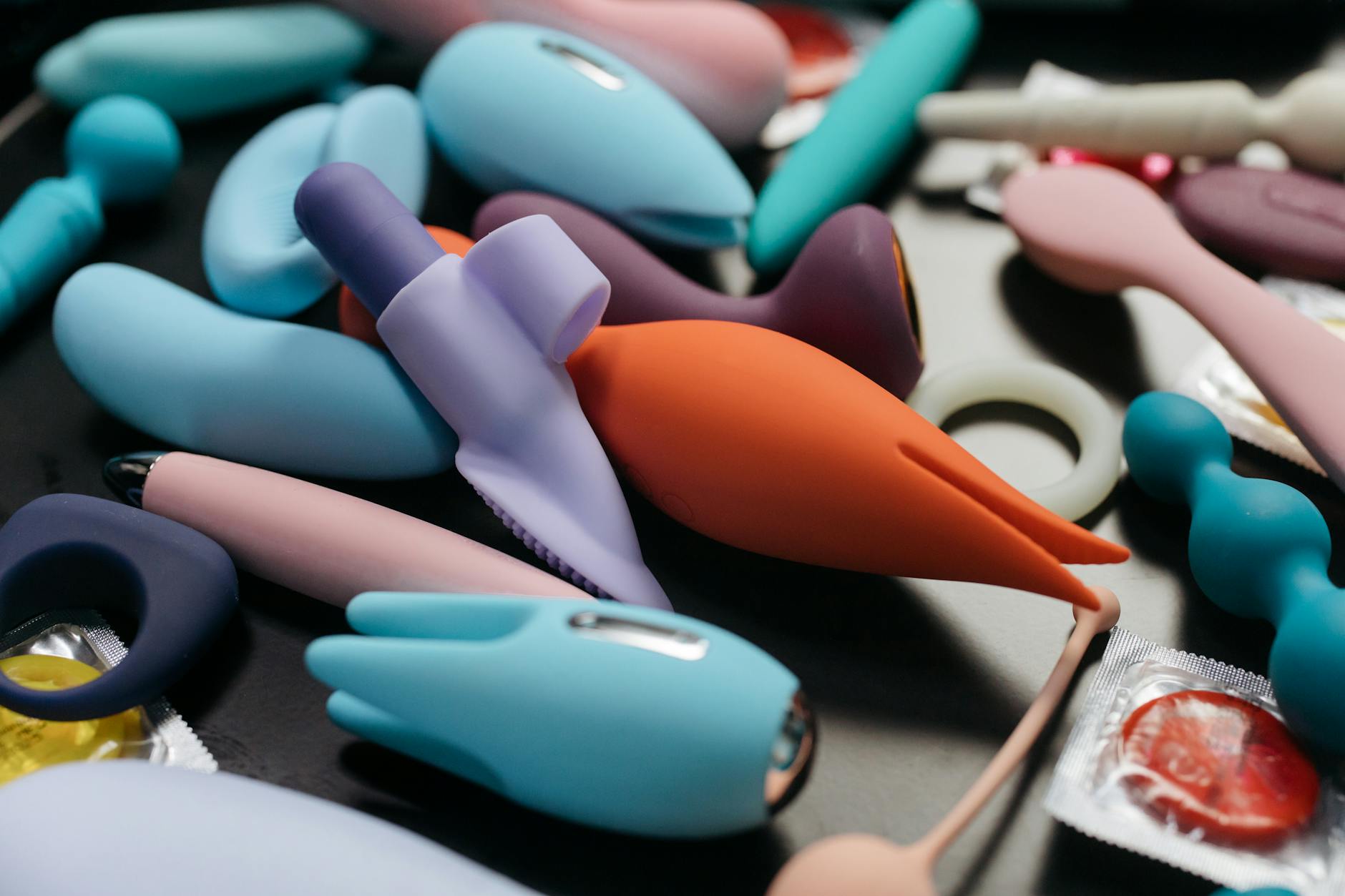
Photo by cottonbro studio on Pexels
The timeline you should actually expect
Honestly, rebuilding desire takes time. But here's the good news. You don't have to feel desire before you start. You just have to show up.
Weeks one through three, most people notice a shift in permission. You're touching your own body without guilt or expectation. That's huge. That alone changes your nervous system.
Weeks three through eight, sensation starts to return. You're noticing patterns on the lemon vibrator that feel different. Some are boring. Some are interesting. Some make you want to keep going. This is when you start mapping your own pleasure again.
Weeks eight and beyond, desire usually starts knocking. It's quiet at first. But it's there. You're noticing yourself thinking about pleasure at random times. You're feeling your body respond to things that used to feel neutral. This is the nervous system learning that pleasure is safe again.
But here's the thing. Don't rush this. If you're at week four and nothing has changed, that's not failure. That's your body saying "I need more time." Keep going.
When to bring a partner in (and how)
If you're in a relationship, this is delicate. Your partner probably wants to help. But help often feels like pressure. So here's what works.
Spend at least a month rebuilding your own relationship with pleasure, solo. Then, if you want, invite your partner to be present without pressure. Not to touch you. Not to participate. Just to be there. In the same room. Maybe reading. Maybe just resting nearby. Your nervous system learns that pleasure can exist in proximity to someone you love without that person needing anything from you.
Once you're comfortable there, you can explore using the lemon vibrator with your partner present. But the emphasis stays on your sensation, not theirs. You're the expert on your body. They're witnessing.
This is where how lemon clitoral vibrators work better for couples communication becomes valuable. Your partner gets to see you prioritizing yourself. And that actually deepens trust.
The role of stress and what to actually do about it
Low libido usually has a story behind it. Stress, grief, health stuff, relationship tension, medication side effects, burnout. The lemon vibrator doesn't fix the story. But it does create a window where your nervous system can rest while you're still being stimulated.
That window matters because it gives your body permission to remember that pleasure exists, independent of whether the underlying stress has resolved. You don't have to wait until your life is perfect to rebuild desire. You just have to create moments where pleasure is safe.
If the stress is relational, consider whether you need support beyond this. A therapist. A couples counselor. A medical provider if there's a health piece. The lemon vibrator is a tool. It's not a substitute for addressing the actual thing driving the low desire. But it's a powerful tool while you're doing that work.
FAQ
How long does it take for a lemon vibrator to help with low libido?
Most people notice a shift in permission and body connection within 2 to 3 weeks. Desire usually starts returning between weeks 6 and 10. But everyone is different. If you're dealing with trauma, depression, or significant relationship stress, it might take longer. The key is consistency, not intensity.
Can I use a lemon clitoral vibrator if I'm on antidepressants that affect my libido?
Yes. In fact, a lemon vibrator can be especially helpful because it doesn't require arousal to feel good. It creates sensation independently. That said, talk to your doctor about whether adjusting your medication timing or dose might help too. You don't have to choose between mental health and pleasure.
Is it normal to feel nothing the first time I use a lemon vibrator?
Completely normal. Your nervous system might be in protection mode. It needs permission to feel. That permission comes from repetition and safety, not from the first experience being amazing. Keep showing up.
Should I use the lemon vibrator alone or with a partner if my libido is low?
Start alone. Build your own relationship with pleasure first. Once you're comfortable and noticing sensation, you can explore with a partner if you want. Solo practice isn't a prerequisite to partnered pleasure, but it does build confidence.
What if my partner feels rejected when I need solo time with a lemon vibrator?
This is a conversation, not a secret. Tell them: "I'm rebuilding my relationship with my own body. This isn't about you. It's about me learning what feels good again." Most partners feel relieved that there's actually a plan. You're not just avoiding sex. You're actively working on desire. That's different.
Can a lemon vibrator help if my low libido is caused by relationship problems?
It can help you rebuild your own pleasure, which is important. But it won't fix the relationship problem. If the issue is disconnection, resentment, or poor communication, you need to address that directly. A toy is not a substitute for couples work. Consider reading how lemon vibrators improve pleasure after couples therapy for context on how this fits into larger relationship healing.
The thing about rebuilding
Low libido is not a character flaw. It's not laziness. It's not a sign you're broken or that your relationship is doomed. It's your nervous system doing its job. And rebuilding desire means giving your nervous system permission to relax and receive again.
A lemon vibrator is one tool for that. It's not magic. But it's a way to practice pleasure without pressure. And that practice changes things. Your body learns that pleasure is safe. Your mind learns to stop the constant self-judgment. And slowly, quietly, desire comes back.
You don't have to wait for it to arrive on its own. You can rebuild it, one gentle moment at a time.