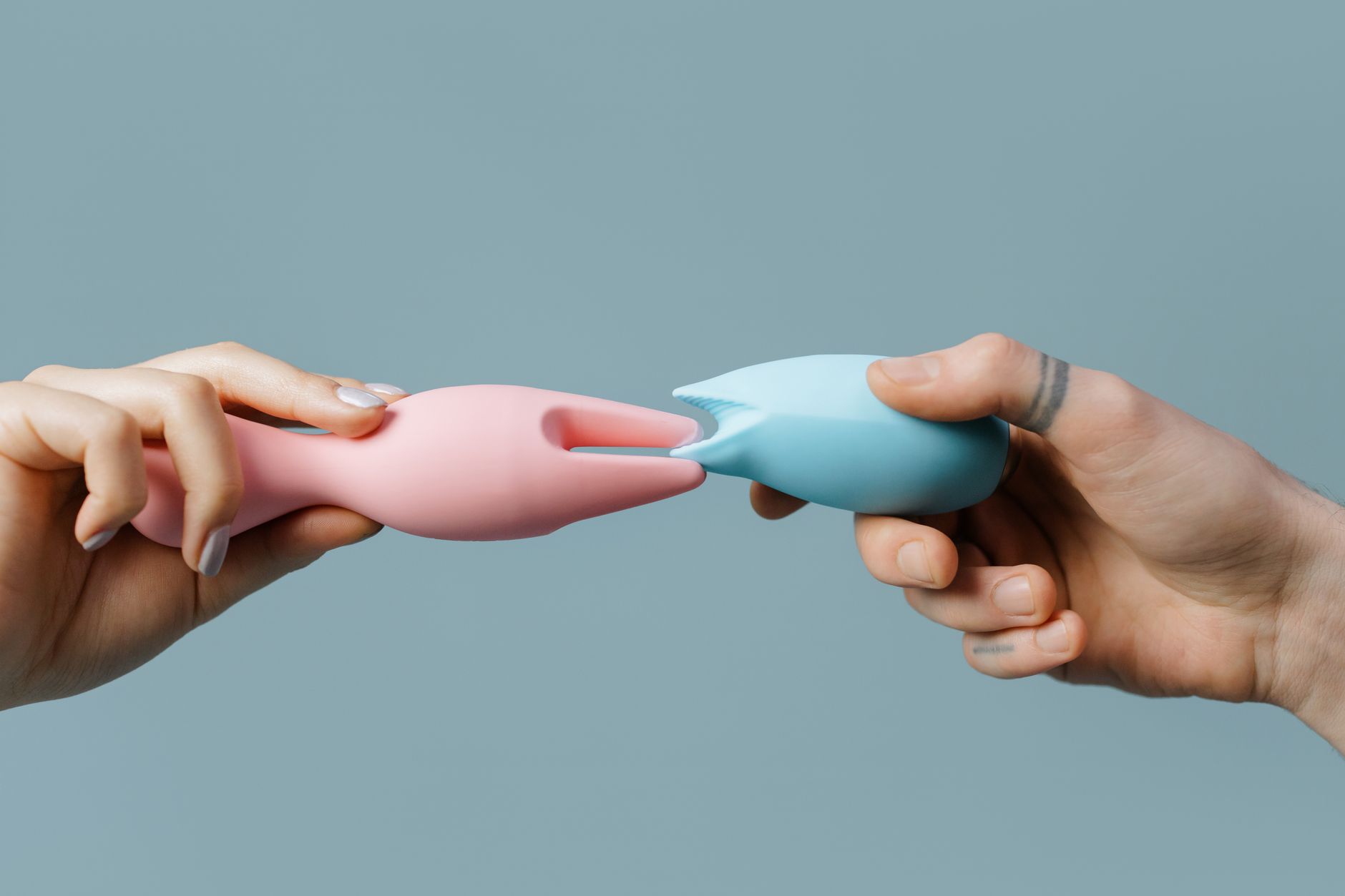
Here's the real problem
You're dating someone new. Things are moving toward physical intimacy, or maybe you're already there. And you're thinking about your Lem Vibrator. The one that actually works for you. The one that makes the difference between mediocre and incredible. But you're also thinking: how do I bring this up without making it weird?
That hesitation? It's not actually about the vibrator. It's about a deeper belief most of us carry into new relationships: that wanting more from your own pleasure is somehow a reflection on your partner. It isn't. But because we've been taught to hide this want, introducing a lemon vibrator feels like a confession instead of a conversation.
Let me reframe this. Bringing pleasure tools into a new relationship isn't awkward. What's actually awkward is pretending you don't have preferences, then feeling resentful later. This is where things break.
The timing question (it's not as early as you think)
People always ask me: when is too early to mention I use toys? The real answer is: whenever you're about to have sex, you need to talk about it. Not a deep clinical conversation. Just a heads up.
The sweet spot is usually around date 4-6, once things are clearly heading physical but before you're already naked and scrambling. This gives your partner time to think about it, ask questions, and figure out their own feelings without performance pressure.
Here's what matters though: the conversation doesn't have to be deep. You're not explaining your entire sexual history or your attachment style. You're just saying, casually, "Hey, I want you to know I use a lemon vibrator sometimes. It's something I really enjoy and I'd love to include it when we're together, if you're open to that." Done.
Why keep it light? Because if you approach it like a huge revelation, you invite your partner to treat it like one. You're just stating a fact about your body and what works for you. That's all.
What your partner might actually be thinking
Most partners aren't threatened by vibrators. What they sometimes feel is one of two things: either "Oh, I didn't know I couldn't do that for her," or "Wait, should I feel bad that she wants this?" Both of these are easy fixes with information.
The first one is just a knowledge gap. Clitoral vibrators work differently than fingers or a partner's body. A lemon vibrator delivers consistent, focused stimulation that's hard to replicate with manual touch. That's not a judgment on your partner. It's just biology. Once they understand that most people with vulvas need this kind of direct, sustained stimulation to orgasm, the defensiveness drops.
The second feeling comes from old stories about what "good" sex looks like. It usually goes something like: if your partner really wanted you, you wouldn't need a toy. That's junk, and it's worth naming directly if you sense it. Something like: "This isn't about you at all. This is about me knowing my body and what I need. I actually want to feel good with you, and this is part of that."
How to actually introduce it in the moment
Okay, so you've had the conversation and you're in bed. Now what.
Don't hide it in a drawer and suddenly surprise them with it. That's the opposite of what you want. Instead, before things get intense, say something like: "I want to use my vibrator. Would you want to watch, or would you rather help?" Both options make them feel included and give them control.
Here's the thing that changes everything: your partner probably wants you to feel amazing. Most people would rather their partner experience intense pleasure than pretend to come out of some weird sense of propriety. So when you bring a lemon vibrator into the mix and it makes you orgasm harder, faster, or at all, your partner usually feels relief, not rejection.
The physical mechanics matter here too. A clitoral vibrator works best with direct stimulation, so if your partner is inside you, you're using the vibrator externally on your clitoris at the same time. This isn't you checking out. It's you staying fully engaged while getting the exact sensation your body needs. Your partner is still very much part of the experience.
When your partner wants to use it on you
Some partners get curious and want to try using it themselves. This is actually great. It teaches them how your body responds and what pressure and rhythm work for you.
If this happens, here's what helps: tell them what feels good. "A little lower," "Slower," "More pressure." Don't make them guess. And if it doesn't feel right, change it. This isn't about protecting their feelings. It's about your pleasure, which matters.
One note: if your partner struggles to find the rhythm that works, a lemon clitoral vibrator does a lot of that work for you. The suction mechanism means the vibrator is doing the precise stimulation rather than relying on their technique. This can actually take pressure off both of you and make the whole experience less goal-focused.
The conversation you're probably not having (but should)
After you've used the vibrator with your partner a few times, there's another conversation worth having. Not immediately, but maybe after a month or so. Something like: "How do you feel about the vibrator now that we've used it together?" This is different from the initial heads-up. This is about integration and ongoing comfort.
Your partner might have feelings that emerged during the experience. Maybe they loved it. Maybe they felt a little left out even though you explained it wasn't about that. Maybe they're curious about how it works or want to try something different with it. These things matter, and they're worth talking about.
The key is keeping it curious, not defensive. You're not defending your right to use it. That's non-negotiable. You're just checking in about how to make it work for both of you.
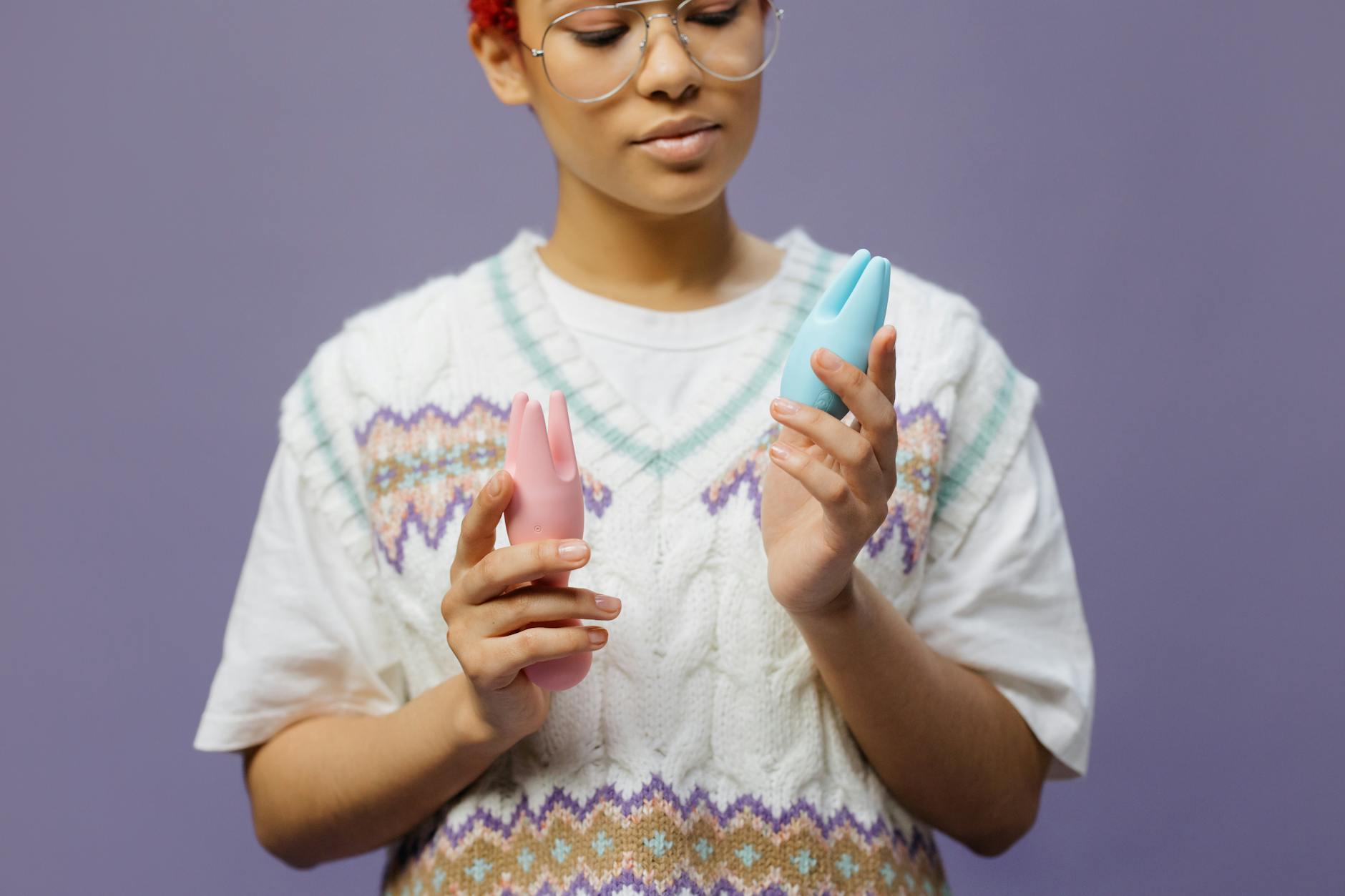
Photo by cottonbro studio on Pexels
What to do if your partner gets weird about it
Sometimes, despite the conversation, a partner acts uncomfortable once it's happening. This is useful information. It tells you something about their beliefs around sex, pleasure, and gender that you need to understand.
Don't just drop the vibrator to keep the peace. That's how you end up resenting them, and how they end up never confronting their own hang-ups. Instead, pause and ask: "What's coming up for you right now?" Give them space to say it. Usually it's something like "I feel like I'm not enough" or "I was raised to think toys were weird."
Both of those are workable. The first one is about reassurance and education. The second one is about them doing their own work around inherited shame. You can support them, but you can't fix their discomfort with your pleasure. That's not your job.
If a partner consistently refuses to accept that you want to use a vibrator, or makes you feel guilty for wanting to use one, that's a bigger compatibility issue. You deserve someone who wants your pleasure as much as you do.
Why this matters more than you think
Here's what I see in my practice: women and people with vulvas who suppress their pleasure needs early in relationships often spend years feeling disconnected from their partners and their own bodies. The resentment builds slowly. By the time they bring it up, it's not a casual conversation anymore. It's a symptom of a deeper problem.
But when you normalize pleasure from the beginning, something shifts. You're saying: my body matters. My sensations matter. My orgasm matters. And I'm inviting you into that, not asking for permission.
That's actually the opposite of awkward. That's intimacy.
People also ask
Will introducing a vibrator make my partner think I don't find them attractive?
No. A vibrator isn't a replacement for a partner. It's a tool that delivers a specific kind of stimulation your body needs. Most partners, once they understand this, actually feel relieved. They realize they don't have to make you come through friction alone. You can both focus on connection and pleasure instead of performance.
What if I've been with my partner a long time and just want to introduce a lemon vibrator now?
The conversation is actually the same. You might add a bit of context: "I've been thinking about what helps me feel good, and I want to try using a vibrator together." The timing is different, but the core message is identical. This isn't a rejection of your long-term partner. It's an evolution of your intimacy.
Can we use a lemon vibrator during penetration?
Absolutely. If your partner is inside you, you can use the vibrator externally on your clitoris at the same time. The sensation is actually different from either one alone. Some people find this is the only way they come during penetration, and that's completely normal.
Is it okay if the vibrator makes me come faster than usual?
Yes. That's kind of the point. A clitoral vibrator is designed to give you the exact stimulation that works for your body. Of course it's more efficient. That's not a bad thing. Many people feel shame about coming "too fast" with a toy, as if that's cheating somehow. It isn't. Your body knows what it likes.
What if my partner wants to be involved but doesn't know how?
Tell them. "I like it here," "A little more pressure," "Slower." Communication during sex isn't awkward. It's what makes sex better. And honestly, knowing what makes you come is information most partners actually want.
Should I feel guilty about needing a vibrator?
No. Full stop. Needing clitoral stimulation to orgasm is normal. Wanting consistent, reliable sensation is normal. Using a lemon vibrator to get that is smart self-knowledge, not a deficit. There's nothing to feel guilty about.