Here's what nobody tells you about your first time
Nervous about trying a lemon vibrator or any clitoral vibrator for the first time? That's not a red flag. That's normal. Most people have no idea what the actual sensation will feel like, whether they're "doing it right," or whether their body will respond the way they're hoping. And because nobody talks about the real experience, you're left imagining worst-case scenarios that probably won't happen.
Let me give you the actual facts, not the fantasy version or the clinical version. Just what happens, step by step.
What a lemon vibrator actually feels like (versus what you might be imagining)
If you've heard that vibrators feel like a phone buzzing or a massage, that's partially true but incomplete. A lemon vibrator works through suction and pulsing, not just vibration. This means the sensation is more like a gentle pulling or tugging motion around the clitoral area, rather than an all-over vibrating buzz.
Most first-time users expect one of two things: either they think it'll feel overwhelming and intense, or they assume it'll feel like nothing at all and they've somehow broken themselves. The reality sits between both.
A lemon sexual toy typically feels like a concentrated, rhythmic pressure. It's localized (not diffused across a wide area like some vibrators are). Your body will respond more quickly than you might expect, especially if you've never used a clitoral vibrator before. That's not weird. That's how your nervous system is designed.
Why the first five minutes matter
The first time you use a lemon vibrator, plan for a solo session where you're not rushing. Give yourself at least twenty minutes, and don't stress about an outcome. Your only job is to notice what the sensation feels like and whether you want to continue.
Start by exploring the lowest setting. Lemon vibrators usually have 3-5 intensity levels, and setting one or two is genuinely powerful enough for most people. You don't need to jump to high intensity to feel something. In fact, starting soft helps you understand your own sensitivity and rhythm.
Apply a bit of water-based lubricant around the area first. This isn't because something is wrong with your body. It's because lube reduces friction and makes the seal that creates the suction effect more reliable. Without it, you might feel less sensation or find it slightly uncomfortable.
When you turn it on, press it gently to your clitoris and hold it still. Don't move it around like a traditional vibrator. The suction works best when you create a seal. You'll notice the sensation builds in waves rather than hitting you all at once. Let it build. Your body knows what to do next.
What happens in your nervous system (why it might feel overwhelming at first)
Clitoral nerve density is extraordinarily high. There are over 8,000 nerve endings in the clitoris, packed into an incredibly small area. A lemon clitoral vibrator concentrates stimulation on that zone, which means your nervous system lights up faster than you might expect.
This is not a sign of something wrong. It's actually how your body is built. The intensity of sensation you feel in the first sixty seconds doesn't mean you need to stop. It often means your nervous system is waking up and registering pleasure more vividly than you're used to.
Take a breath. Lower the intensity if you want. You're in control at every second. But don't assume that intensity equals discomfort. Sometimes what feels surprising at first feels incredible within minutes.
The things that actually trip up first-time users (and how to fix them)
Not enough lube. I mention this separately because it's the most common reason someone thinks a lemon vibrator "doesn't work." Without lubrication, the seal doesn't form properly, and you lose the suction sensation entirely. You'll just feel buzzing. If that's happening, stop, add more lube, and start again.
Holding it too tight. You don't need to press hard to create the seal. A gentle, steady contact is enough. Pressing aggressively can actually reduce sensation and make it feel numb instead of pleasurable.
Expecting an orgasm on a timeline. Some people come quickly the first time. Others need five sessions to learn their body's response. Both are completely normal. An orgasm isn't the goal here. Learning what feels good is the goal.
Comparing your experience to someone else's. Your friend might describe their lemon vibrator experience as "immediate and intense." Yours might be "gradual and subtle." Neither one is right or wrong. Your nervous system is yours alone.
Why a lemon vibrator might actually be easier for a first-timer than a traditional vibrator
Lemon adult toys and traditional vibrators work differently enough that it actually matters. A standard vibrator creates all-over vibration. A lemon vibrator creates targeted suction and pulsing. For many first-time users, the lemon suction sensation is easier to understand and feels more natural because it mimics manual stimulation more closely.
You can also control the seal yourself. If the sensation is too intense, you simply reduce the pressure slightly. If you want more, you increase it. That control is empowering. You're not at the mercy of a device. You're directing it.
Many people also find that lemon clitoral vibrators create a clearer sensation of arousal building, which means you're more aware of your own pleasure progression. Instead of buzzing that happens to you, it feels like something you're choosing and guiding. That distinction matters psychologically as well as physically.
The emotional part (which matters as much as the physical part)
If you're nervous about using toys, the emotion underneath is often fear that something is wrong with you, or that you won't know what to do, or that using a toy somehow negates real intimacy. None of those things are true, but that doesn't make the feelings disappear immediately.
Give yourself permission to be awkward your first time. You're learning a new physical skill. Your first time cooking was probably awkward too. Your first time with a partner was probably awkward. This is no different.
It also helps to separate the device from the experience. A lemon vibrator isn't trying to replace anything or fix anything. It's a tool that creates sensation. That's all. You're still the same person you were before you used it.
If you have a partner, you don't need to use it with them the first time. Solo exploration gives you information about your own body that you can then bring into partnered sex. You learn what intensity you like, what rhythm works, what you want. That knowledge is valuable whether you ever use it with a partner or not.
When something feels wrong (and when it's just unfamiliar)
There's a difference between "this sensation is unexpected" and "this is actually uncomfortable or painful." If you feel pain, stop immediately. Pain is your body's signal that something isn't right.
But if you feel surprise, intensity, or strangeness, that's often just your nervous system experiencing pleasure in a new way. You can pause, breathe, and restart with lower intensity. Or you can take a break and try again tomorrow. Your nervous system needs time to integrate new sensations.
If you're concerned about sensitivity or have a history of sexual discomfort, using a lemon vibrator with sensitivity concerns is absolutely doable. It just means starting even lower and building even slower. Your nervous system will catch up.
The after-experience: what comes next
After your first session, your pelvic area might feel slightly sensitive or tingly. That's normal and temporary. Your nervous system has been activated, and it takes a while to settle. This usually resolves within an hour.
You might also feel emotionally lighter, or sleepy, or weirdly energized. Pleasure does things to your brain chemistry. Let it happen. That's the point.
When you decide to try it again, you'll know more about what worked last time. You can adjust intensity, duration, angle, or timing based on your actual experience, not your imagination. That second session usually feels less uncertain because you know what to expect.
Most people find that using a lemon clitoral vibrator becomes more intuitive with time. You stop thinking about whether you're doing it "right" and just focus on what feels good. That shift from performance to presence is where the real pleasure lives.

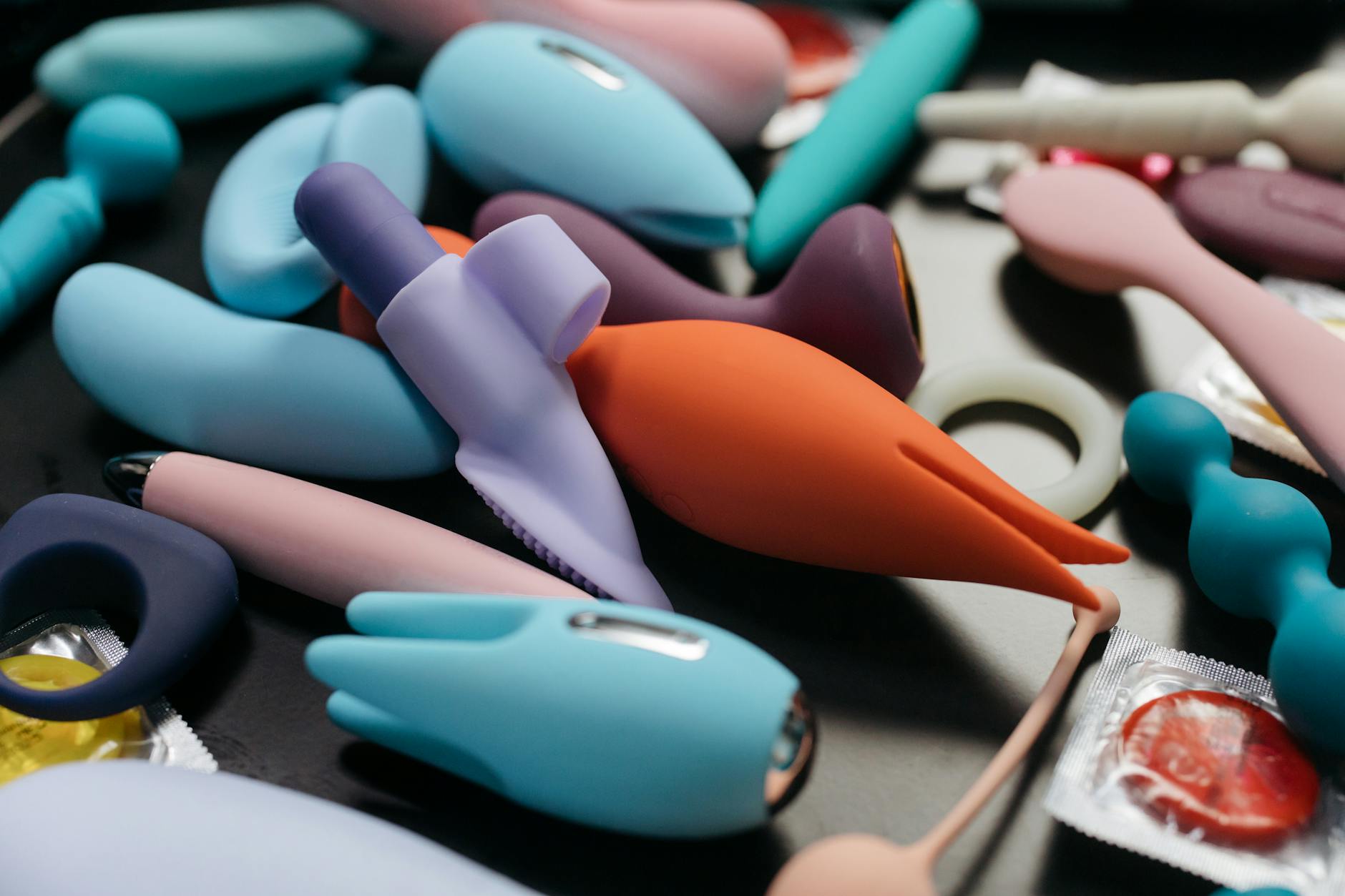
Photo by Madison Inouye on Pexels
Practical checklist for your first time
Before you start, gather these things. It takes thirty seconds and removes the midway scramble.
Water-based lubricant. Check that it's water-based, not silicone or oil-based. Keep it nearby. You'll probably need to reapply once during the session.
Privacy and time. At least thirty minutes where you're not going to be interrupted. That includes phone notifications. Silence your device.
Towel or washable surface. Not because anything messy will happen necessarily, but because lube can transfer, and it's good to have a boundary.
Lower expectations about outcome. The goal is sensation, not completion. If an orgasm happens, great. If it doesn't, you still learned something.
Turn off the critical inner voice. That voice will try to convince you that something is weird or wrong or that you're doing it badly. It's lying. Keep going anyway.
Common questions people ask before their first time
Will a lemon vibrator numb me over time? No. This is a common worry, and research doesn't support it. Your body doesn't desensitize to pleasure. What happens over time is that you understand what you want more clearly, so you might want different things. That's growth, not numbness.
Can I use it if I'm on my period? Absolutely. Many people find their clitoris is more sensitive during their period, which can mean sensation feels even more intense. Some prefer to use it other times of the month. It's your choice entirely.
What if nothing happens the first time? Normal. Some bodies take longer to wake up to new sensations. Try again in a few days. Relaxation, privacy, and familiarity make a huge difference.
Is using a lemon vibrator as a beginner going to change how partnered sex feels? Not in a bad way. It usually means you understand your own pleasure better, which typically makes partnered sex better. You know what you like, you can communicate it, and you're less in your head worrying about performance.
Do I need to tell my partner I'm using a lemon vibrator? Only if you want to. Your solo practice is yours. If you eventually want to incorporate it into partnered sex, that's a different conversation. But your first exploration is just for you.
Moving forward
Your first time using a lemon vibrator doesn't need to be perfect or lead to any particular outcome. It just needs to be yours. You're learning what your body responds to, what intensity works for you, and what pleasure can feel like when you're in control of the experience.
That knowledge builds over time. The second session will feel less strange. The third will feel easier still. Before long, using a lemon clitoral vibrator will feel as natural and routine as anything else in your pleasure practice.
You deserve to know your own body in this way. You deserve pleasure that feels good, not shame or uncertainty. Starting with a lemon vibrator as a first-time user is a perfectly reasonable choice. Thousands of people start exactly where you are, and they all figure it out.
If you have specific concerns or questions as you go, reach out. That's what we're here for.
Frequently asked questions
Will a lemon vibrator feel too intense for a complete beginner?
Lemon vibrators have multiple intensity settings, and the lowest setting is usually gentle enough for first-timers. The key is starting on setting one or two and staying there until you understand how your body responds. You can always increase intensity later. Starting low builds confidence and lets your nervous system adjust gradually.
How do I know if I'm using the lemon sucker correctly?
You'll feel a gentle pulling or suction sensation around your clitoris, usually more concentrated than a traditional vibrator. If you're only feeling buzzing or nothing at all, you probably need more lubricant to create a proper seal. Add lube and try again. Correct use feels like something is happening, not like nothing or like too-intense pressure.
Should my first lemon vibrator experience be solo or with a partner?
Solo is usually better. It lets you explore without any performance pressure or worrying about your partner's comfort level. You can focus entirely on your own sensations and preferences. Many people find that understanding their own pleasure first makes partnered exploration easier and more confident later. Your partner doesn't need to be there for your learning process.
What if I'm worried my body won't respond to a lemon clitoral vibrator?
Your body will respond. It might not feel the way you imagined, or it might take a few sessions for your nervous system to adjust to the new sensation, but your body is built to respond to pleasure. If nothing is happening after three tries, you might need more time, more privacy, less performance pressure, or different settings. It's rarely about your body not working. It's usually about conditions not being right yet.
Can I use a lemon vibrator if I've never had an orgasm before?
Yes. Many people have their first orgasm using a lemon vibrator because the targeted suction sensation is so effective. You don't need experience with orgasms to benefit from using a lemon clitoral vibrator. In fact, the focused stimulation can help your body understand what an orgasm feels like.
Is it normal to feel awkward or self-conscious using a lemon vibrator the first time?
Completely normal. You're doing something new with your body, and your brain is probably generating all kinds of self-conscious thoughts. That's just your nervous system being protective. Acknowledge the awkwardness and keep going anyway. By your second or third time, the self-consciousness usually fades because you realize nothing bad happened.
References and sources
The neurological information about clitoral nerve density is drawn from clinical research on vulval anatomy and sensory perception. Information about water-based lubricants and suction device mechanics comes from sexual health education resources and product design research. The emotional and relational aspects reflect evidence-based approaches from somatic therapy and sex-positive relationship coaching.
If you have lingering questions about your sexual health or your body's response, contact us or speak with a healthcare provider who specializes in sexual health. You deserve accurate information and support.