Let's talk about the part nobody plans for
You're cleared by your doctor. The bandages come off. Life is supposed to return to normal, right? Except normal includes pleasure, and nobody seems to have guidelines for that conversation. Whether you're recovering from gynecological surgery, abdominal work, a C-section, or pelvic floor procedures, the question of when and how to safely return to using toys like a Lemon vibrator is real, rarely discussed, and genuinely important.
Here's what I want you to know: healing and pleasure are not opposites. Getting back to intimacy, alone or with a partner, is actually part of recovery. You just need to be smart about the timing and approach.
The medical reality of post-operative intimacy
Your surgeon gave you a timeline. Six weeks, eight weeks, sometimes twelve. That timeline typically refers to penetrative intercourse or heavy lifting. Clitoral stimulation is a different category entirely, and the timeline is usually gentler.
The reason for the standard post-op wait is simple: the body needs time to form internal sutures, rebuild tissue, and reduce infection risk. But external clitoral stimulation doesn't involve penetration, and the clitoris itself has robust blood supply and heals quickly. This doesn't mean week two is safe. It means week three or four is often reasonable, especially for procedures that don't directly involve the clitoris or vulva.
That said, every surgery is different. Hysterectomy, fibroid removal, pelvic floor repair, and gynecological cancer treatment all have different recovery profiles. The most honest answer is to ask your surgeon directly: "When is it safe to resume external clitoral stimulation?" Most will give you a clearer answer than you expect.

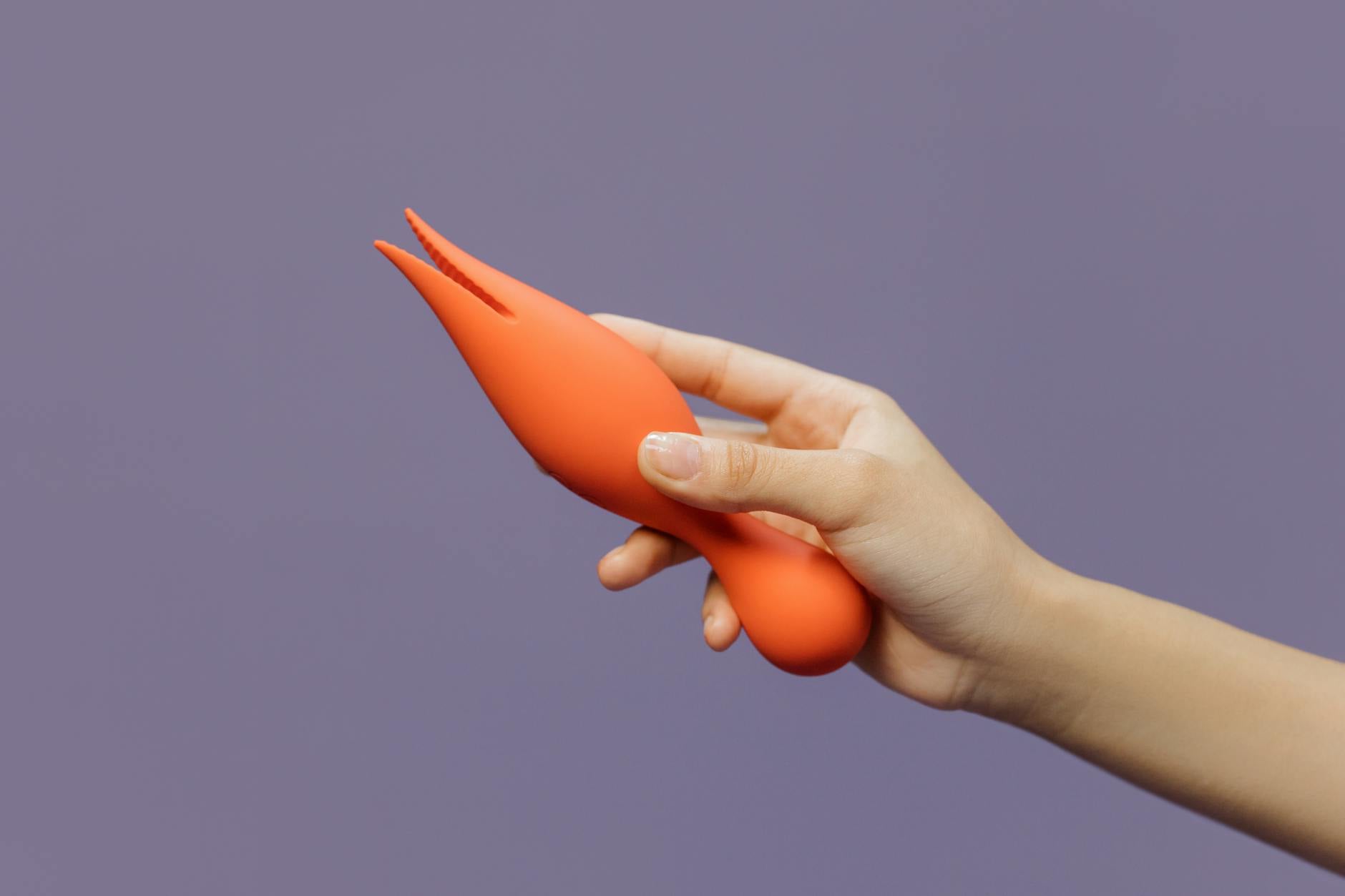
Photo by cottonbro studio on Pexels
Why the Lemon design matters for healing bodies
If you're thinking about returning to clitoral vibrators after surgery, the type of stimulation matters more than you might think. Traditional vibrators deliver direct, often intense friction. For a post-op body, that's too aggressive.
The Lemon uses suction technology. It stimulates without friction. That distinction is huge when you're healing. There's no mechanical grinding, no pressure against sensitive or newly healed tissue, and no need for internal lubrication. You're not trying to force arousal faster than it wants to come. You're creating space for it.
Why this works: suction creates a gentle seal and release pattern that mimics oral stimulation without the partner element, if you're going solo. For bodies in recovery, this is gentler on healing pelvic nerves, doesn't create pressure spikes that can trigger pain, and allows pleasure to build at its own pace.
The pacing: when to start, how to escalate
Weeks one and two: Don't. Your body is actively healing, and inflammation is present even if you feel fine. Pain isn't the only signal that something's healing. Wait.
Weeks three to four: Check in with your surgeon first. If cleared, start with external observation only. No toy, no stimulation. Just gentle touch to see if sensation is normal, if pain appears, if things feel swollen or sensitive. This is not wasted time. This is data gathering.
Week five onward (if cleared): If you're getting signals that arousal is possible and pain is absent, you can introduce the Lemon at its lowest setting. Five to ten minutes, external contact only. Most healing bodies don't need long sessions anyway. Arousal triggers healing cascade in the nervous system, and that matters.
Weeks eight plus: Full return to whatever feels good. Your body will tell you what's ready.
If you're in a partnership, this also gives you both time to reconnect non-sexually. Healing bodies often feel fragile, and sometimes the mental shift from "patient" back to "partner" needs space that touching allows but sex doesn't yet allow. That's valuable territory.
The physical adjustments that matter
Your body is different right now, even if it looks the same. Here's what to watch for:
Sensation changes. Surgical sites sometimes develop temporary numbness or hypersensitivity. You might feel the Lemon in a new way. That's normal. Start low, communicate clearly if you have a partner, and trust your own feedback.
Pelvic floor tension. Post-surgical bodies often protect themselves by tightening the pelvic floor. This can make arousal harder and pleasure less accessible. If you had pelvic floor work, this is especially true. Using the Lemon gently can actually help you tune into what's tight and practice release.
Fatigue as a signal. Healing uses tremendous energy. You might feel tired from fifteen minutes of stimulation in a way you never did before. That's your body talking. Listen to it. Rest and try again tomorrow.
Lubrication timing. Even if you normally self-lubricate easily, post-op bodies sometimes need a moment longer. Water-based lubricant helps and isn't a sign something is wrong. Use it.
The emotional piece (which is also physical)
Honestly, the hardest part of returning to pleasure after surgery isn't usually the body. It's the mind. There's grief sometimes. There's fear of reinjury. There's the vulnerable feeling of being dependent, and then trying to reclaim autonomy in a private way.
If you had a partner present through the surgery and recovery, the dynamic has shifted. They've seen you at your most vulnerable. That requires a different conversation than a slow return to external clitoral stimulation. It's not just about timing. It's about rebuilding sexual identity after a body-altering event.
This is where I recommend couple's work or individual therapy alongside physical recovery. The Lemon is a tool. But the real work is often the conversation. When are we ready? What does pleasure mean now? What's different, and is different okay?
For people recovering alone, there's permission-seeking happening too. Am I allowed to want this while healing? The answer is yes. Pleasure during recovery is not indulgent. It's part of the nervous system recognizing that life continues.
Red flags that mean you should pause
Pain that isn't just mild soreness. Sharp, burning, or stabbing sensations mean stop and call your surgeon. Increased bleeding or unusual discharge. Fever or signs of infection. Returning episodes of numbness or new swelling. These aren't failures. These are your body asking for more time.
Also watch for psychological blocks that feel bigger than nervousness. If touching yourself triggers panic or dissociation, that's a signal for professional support, not something to push through with a vibrator. Trauma-informed therapy is worth exploring.
FAQ: Your post-op pleasure questions answered
Q: Can I use a Lemon vibrator if I had a C-section? A: Yes, typically by week four or five if cleared by your doctor. A C-section is abdominal surgery, not vulvar, so external clitoral stimulation is usually safe sooner than full intercourse. The suction design of the Lemon means no internal pressure, which helps.
Q: What if I'm still bleeding a little? Is it safe to use a clitoral vibrator? A: Light spotting is normal for weeks post-surgery. The question is whether your surgeon cleared you for sexual activity. If yes, external stimulation is fine. Light bleeding alone doesn't contraindicate it, but heavy bleeding does. When in doubt, wait another week and ask your doctor.
Q: I'm scared of pain. Should I just wait longer? A: Fear is valid, but pushing the timeline back indefinitely isn't the answer either. Fear often decreases with gentle, supported re-exposure. Start at the lowest setting, go slow, and stop immediately if pain appears. You're building confidence, not chasing orgasm.
Q: Is it normal to not feel aroused during recovery? A: Completely normal. Surgery, anesthesia, pain medications, and stress all suppress desire. Trying to force arousal doesn't help. Instead, focus on non-sexual touch and connection. Arousal will return as your body heals.
Q: Can using a vibrator slow down my healing? A: No. Gentle external stimulation doesn't interfere with internal healing, and the relaxation response can actually support it. Rough stimulation or pushing past pain signals would be different.
Q: My partner wants to jump back into sex. How do I handle that? A: This requires a direct conversation before any physical return. Your timeline is yours. A partner who respects your healing respects the timeline too. If that's hard to say, that's its own signal worth exploring. Consider how to introduce a Lemon vibrator to your partner without awkwardness if you want a gentle re-entry point together.
The truth about post-op pleasure
Your body has been through something. It's been cut, stitched, and asked to heal. Returning to pleasure is not a luxury. It's a signal to your nervous system that you're safe, that life continues, and that you're more than what happened in the operating room.
The Lemon vibrator, with its gentle suction design, can be a kind way back. But the real work is patience with yourself. Your timeline might be different from the internet's timeline. Your body's signals matter more than anyone else's expectations.
You deserve to feel good again. Take the time. Ask the questions. And when you're ready, you have tools that will support that return. That matters.