
Why Lemon Suction Vibrators Feel Different Than Traditional Vibration
Honestly, if you've tried a lemon suction vibrator and found it nothing like your standard vibrator, you're not imagining it. The sensation is legitimately different. Not better or worse. Different. And the difference comes down to how your nervous system processes the stimulus.
Let me walk you through what's actually happening when you use a lemon clitoral vibrator versus traditional vibration, because this matters for choosing what works for your body.
How your clitoris responds to vibration versus suction
Your clitoris has about 8,000 nerve endings packed into a small area. These nerves don't all respond to the same type of stimulus. Some are exquisitely sensitive to rapid movement. Others light up in response to pressure, pulsing, or sustained contact.
When you use a traditional vibrator, you're sending a rapid oscillating signal through the tissue. It's fast, usually between 50 and 10,000 Hz depending on the toy. Your nerves register this as continuous high-frequency stimulation. Over time, with prolonged use, some nerve endings can become temporarily less responsive to that exact frequency, which is why the sensation can feel flat if you use the same toy at the same setting every single time.
Lemon suction vibrators work differently. They create a gentle vacuum that draws tissue into the cup and then releases it in a rhythmic pattern. This is not vibration. It's a pulsing, lifting sensation. The stimulus reaches your clitoris through sustained pressure plus rhythmic release, not through rapid movement. Your nervous system processes this as a completely different signal.
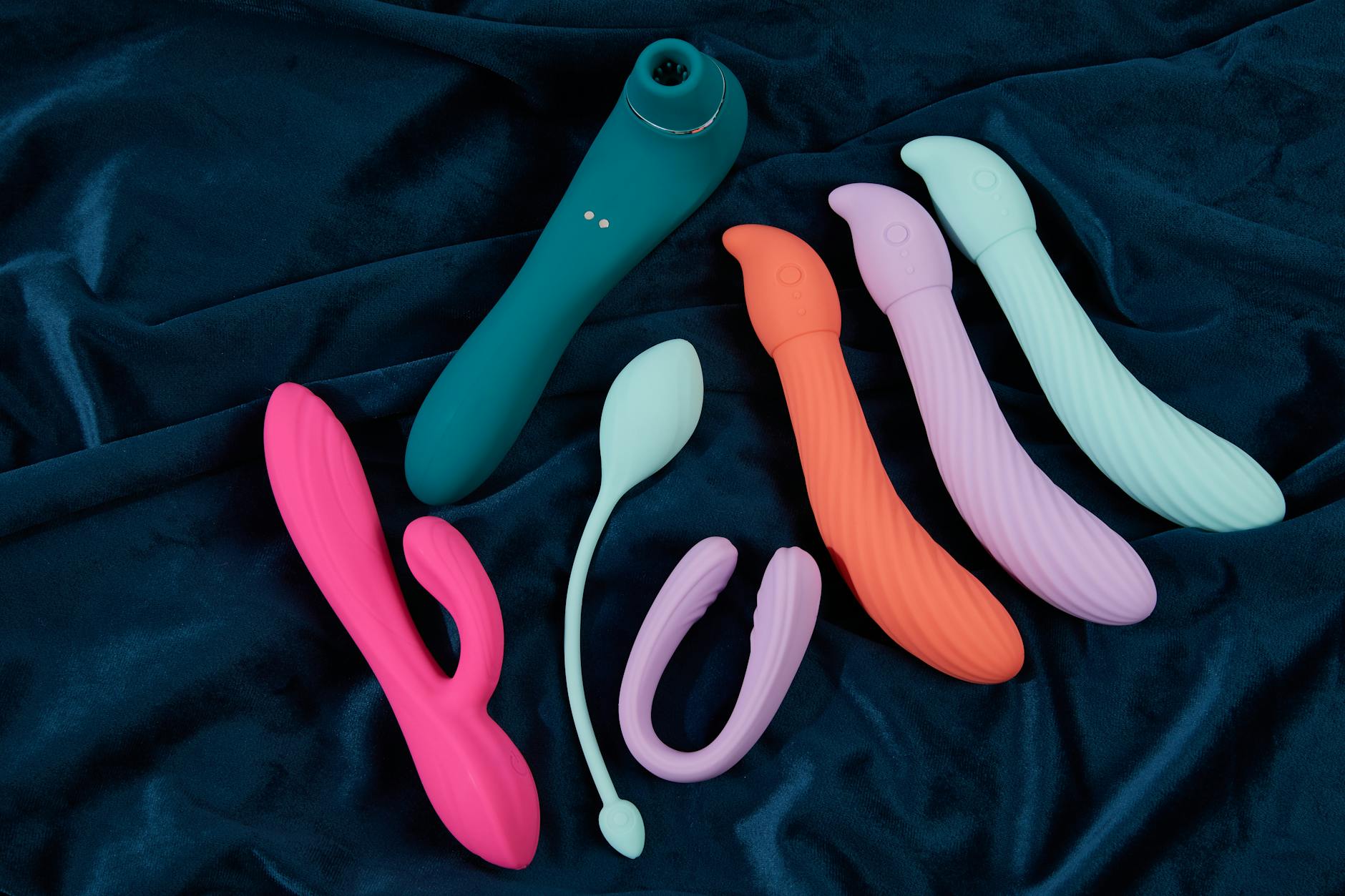
Photo by IFONNX Toys on Pexels
The pleasure pathway difference
Here's where it gets interesting neurologically. Your brain has two main pathways for genital sensation. The first involves fast-conducting nerve fibers that deliver sharp, high-frequency information. The second involves slower-conducting fibers that carry sustained pressure and texture information.
Traditional vibrators primarily activate the first pathway. They're fast, they're specific, they're intense. Lemon suction vibrators engage both pathways simultaneously. The vacuum creates that slower, deeper pressure sensation while the rhythmic pulsing adds a dynamic element. Your brain is receiving a richer, more textured signal.
This is why some people describe suction vibrators as feeling "deeper" or "fuller" even though the toy isn't actually penetrating. Your nervous system is processing more layers of information, and your brain interprets that as more complex, more engrossing sensation.
Why this matters for desensitization and staying responsive
One of the most common complaints I hear about traditional vibrators is that after months of use, they stop feeling as good. This isn't because you're broken. It's because repetitive high-frequency stimulation can lead to temporary sensory adaptation. Your nerve endings basically say, "Okay, I've registered this signal," and they quiet down.
With lemon clitoral vibrators, because the stimulus pattern is different, you're activating different nerve populations in a different way. Even if you use it regularly, you're not exhausting the same neural pathway the way you would with identical vibration patterns. This is why users often report that suction toys feel fresher, feel novel, even after extended use.
It's also why mixing tools works. If you use a traditional vibrator one day and a lemon suction vibrator another day, you're keeping all your nerve pathways engaged and responsive. Variety in sensation maintains sensitivity better than repetition of the same sensation.
The role of tissue thickness in sensation
Your clitoral tissue isn't uniform. The outer tissue is thinner and more sensitive to light, fast stimulation. Deeper tissue responds better to pressure and pulsing. Traditional vibrators excel at stimulating the surface. They're direct, immediate, often intense.
Suction toys, by virtue of creating a gentle vacuum, engage both the surface tissue and the deeper structures simultaneously. This is especially noticeable if you have sensitive tissue or if your clitoris sits further inside the clitoral hood. Many people with sensory sensitivities find that how to use a lemon vibrator if you have sensitivity issues involves starting at lower suction levels, whereas traditional vibrators can feel painful at even their gentlest setting because the direct contact is too concentrated.
Speed, rhythm, and what your brain prefers
There's another layer here worth understanding. Most traditional vibrators offer steady, unvarying speed. You turn them on, they buzz at the same frequency continuously. Lemon suction vibrators, including the Lem, use pulsing patterns that naturally vary in intensity and rhythm.
Your brain actually prefers some variation. Constant, unchanging stimulation becomes background noise to your nervous system. Your attention drifts. Pulsing, rhythmic patterns that build and release keep your brain engaged. This is why many people reach orgasm faster with suction toys, not because suction is "better," but because the rhythm keeps your nervous system in that heightened, focused state longer.
It's the same reason music with a strong beat holds your attention more than white noise, even if white noise is technically more complex acoustically.
The refractory period and multiple sensations
One of the unexpected perks of having different sensation types available is how they interact with the refractory period. After an orgasm, your nervous system needs time to reset before it's ready for more stimulation. The length and intensity of that refractory period depends partly on which nerve pathways you've heavily engaged.
If you rely exclusively on traditional vibration, you thoroughly tax that pathway and the refractory period can feel longer or more pronounced. By switching to a different sensation type, like a lemon suction vibrator, you can sometimes move into another round of pleasure faster because you're engaging a partly fresh nervous system.
For those interested in exploring this further, how lemon vibrators compare to other clitoral toys covers the full spectrum of pleasure tools available.
What this means for your choice of tool
Neither vibration nor suction is objectively superior. They're different tools that your nervous system processes differently. The right choice depends on what you're responding to in this moment, in this body, at this stage of your cycle and your life.
Some days you might crave the intense, direct hit of traditional vibration. Other days, the pulsing, enveloping sensation of suction feels transcendent. Many people benefit from having both available, not because one is a backup, but because variety maintains responsiveness and keeps pleasure genuinely pleasurable instead of routine.
The key insight is this: your nervous system isn't damaged or exhausted by toys. It's responsive to pattern and novelty. Understanding that you can change what you're feeling by changing the type of sensation, not just the intensity, gives you way more control over your own pleasure.
FAQ: Common questions about suction versus vibration sensation
Does suction feel better than vibration?
No. Better is personal. Suction feels different because it engages your nervous system through a different sensory pathway. Some people prefer it immediately. Others prefer traditional vibration. Many people prefer whichever they haven't used in a while, which tells you something valuable about how your body responds to novelty. Try both if you can. Your preference will tell you something true about your nervous system.
Can you get numb from using a lemon vibrator the same way you do with traditional vibration?
Temporary sensory adaptation happens with any repeated stimulus, but because suction activates different nerve pathways than standard vibration, if you swap between the two, you maintain responsiveness better. If you use only suction only, you could eventually experience some dulling, though it typically takes longer than with traditional vibration because the pulsing rhythm provides more variation.
Why do lemon clitoral vibrators feel more intense if they're not as fast as traditional vibrators?
Intensity and speed aren't the same thing. A lemon suction vibrator feels intense because the vacuum concentrates sensation and engages deeper tissue. Traditional vibrators feel intense because of pure frequency. Different intensity, similar result, different pathway to get there.
Is suction better for sensitive clitorises?
Often, yes. Because suction doesn't make direct contact with the most sensitive surface tissue in the same way a vibrator tip does, many people with surface sensitivity find suction more comfortable. That said, how to use a lemon vibrator if you have sensitivity issues goes deeper into managing sensation at any level of sensitivity.
Do you need to use lemon suction vibrators differently than traditional vibrators?
Yes. Traditional vibrators often work at full intensity immediately. Lemon suction vibrators typically need a softer warm-up. Start at suction level 1 or 2, spend five to ten minutes there, then build. Your tissue will thank you and the sensation will be way more pleasurable than going straight to maximum.
Can you switch between suction and vibration toys in the same session?
Absolutely. In fact, many people find that switching mid-session extends pleasure because you're keeping your nervous system engaged with fresh stimulation. The shift itself can feel revelatory.
The bottom line
Lemon suction vibrators feel different than traditional vibrators because they're sending a fundamentally different signal to your nervous system. That difference isn't a glitch. It's a feature. Your body is exquisitely designed to respond to varied stimulation. Using different types of sensation isn't about graduating to something better. It's about keeping pleasure responsive, engaged, and genuinely pleasurable.
If you're curious about how this plays out in real bodies and real relationships, how lemon vibrators make partner sex better (not awkward) walks through what changes in partnered pleasure when you bring this tool into the mix.
Your pleasure deserves this kind of intentional attention. The more you understand what your nervous system is actually doing, the more agency you have over your own sensation. That's not a small thing.