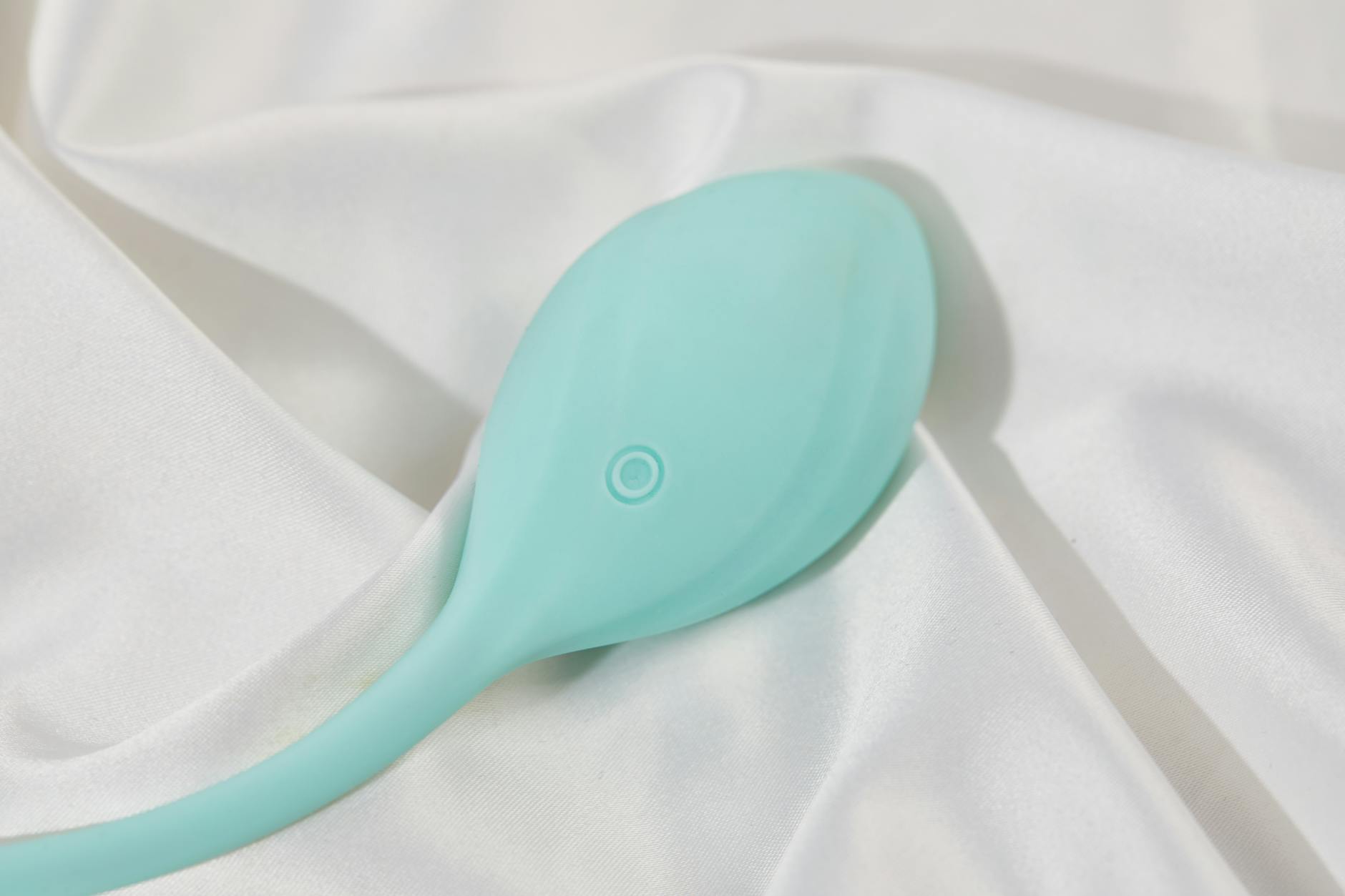
Here's the conversation nobody wants to have
You want to use a lemon vibrator. Your partner thinks that's weird, or worse, thinks it means they're not enough. Maybe they say things like "shouldn't I be able to make you come?" or "I don't want a toy involved." Maybe they just go quiet when you bring it up. Either way, the message lands the same: resistance, hurt feelings, and a dead conversation.
I've sat with hundreds of couples stuck right here. The good news is that this isn't actually about the toy. It's about what the toy represents to your partner, and that's fixable.
What "resistant to toys" really means
When a partner resists a lemon vibrator or any clitoral vibrator, they're usually not objecting to the object itself. They're protecting something deeper: their sense of being enough, their sexual identity, or their control within the relationship.
Common root fears sound like this:
"If you need a toy, I'm failing." This one's rooted in a misunderstanding about how bodies work. Your partner thinks pleasure is a binary outcome: either they caused it or someone (or something) else did. They don't realize that arousal, orgasm, and sensation can be enhanced without being replaced. A lemon suction vibrator isn't a substitute for your partner. It's more like adding an espresso shot to coffee. The coffee was fine. The shot makes it better.
"This changes what sex means to us." Partners sometimes worry that introducing toys signals a shift in the relationship itself. Like you're secretly unhappy or building an exit plan. That's about insecurity, not about the toy.
"I lose control if there's a third party involved." Some partners genuinely feel threatened by the idea of something else touching you, even during partnered sex. This one needs patient unpacking.
"Sex shouldn't need tools." This partner usually grew up believing that "real" sex is penis-in-vagina, and anything else is artificial or lazy. They don't realize that tools have been part of human sexuality for thousands of years.
Identifying which fear your partner is actually having makes the whole conversation different.
Start before you mention the toy at all
The mistake most people make is leading with the request. "I want to try a lemon vibrator." Now your partner is on defense immediately.
Instead, start with reassurance and data. Pick a quiet moment, not during or right before sex. Say something like:
"I want to talk about something without it feeling like a criticism. I've been reading about how clitoral vibrators work, and I think I've been missing out on some really good sensations. It's not about anything you're doing wrong. It's about me exploring what works for my body. I'd love to do it together, but I need your help understanding how you feel about it."
Notice what you didn't do. You didn't say "I can't come" or "You're not enough." You said "I want more sensation." That's factually true and emotionally safer.
Then listen. Let your partner say the scary thing out loud. Don't interrupt. Don't defend yourself. Just hear it.
Build the bridge from resistance to curiosity
Once you know what your partner is actually afraid of, you can address it directly.
If they're worried about adequacy, you might say: "Think about it like this. You probably enjoy having your coffee with breakfast, but you'd also enjoy a massage sometimes. The massage doesn't mean breakfast was bad. It just does something different. That's what this is."
If they're worried about the relationship shifting, try: "This isn't about us drifting apart. It's the opposite. I want to feel better during sex with you because I want us to have more fun together."
If they're protective or possessive, you need to be clearer about boundaries. "I'm inviting you into this. It's something we'd do together. That matters to me."
The goal isn't to convince them immediately. It's to move from "no" to "maybe." From "that's weird" to "I don't understand, but I'm listening."
Introduce the science, not the politics
Most resistant partners soften when they understand how a lemon vibrator actually works. Not because you're forcing them to like it, but because information dissolves mystery.
Talk about how clitoral suction technology works. Explain that the sensation is different from traditional vibration. Why Lemon Suction Vibrators Feel Different Than Traditional Vibration is worth reading together if your partner is curious.
Show them research or reviews. Not as evidence that they're wrong, but as evidence that real people with real partnerships use these tools and report better sex.
Talk about sensation, not performance. "The clitoral nerve has thousands of endings. A lemon vibrator targets them in a way hands can't." That's not a critique of hands. That's biology.
Invite them to do a completely non-sexual exploration first. "Let me show you how it feels. Not during sex. Just on my arm or your arm. So you're not surprised."
The conversation about partnered use
This is separate from whether to use it solo. Many resistant partners are fine with toys in private but anxious about toys during couple's sex.
Address this directly. "Here's what I'm thinking: we'd use it together, during sex. You'd have control of it, or we'd figure out what feels right. You'd be involved, not replaced."
Then describe specifically how you'd use it. "We'd be together. You'd be inside me, and the vibrator would be on the outside. It would be one more sensation, not a replacement." Or: "I'd use it while we're connected, and you'd feel the vibration too." Or: "You could hold it and experiment with what feels best."
Remove the vagueness. Vagueness breeds anxiety. Specificity builds trust.
What to do if they still say no
Some partners won't come around, at least not immediately. Respect that. But also don't abandon yourself.
You can use a lemon clitoral vibrator solo. That's not a betrayal of your relationship. It's self-care. If your partner is truly opposed to any toys ever, that's a different conversation about autonomy, control, and whether you're getting your needs met. That conversation might benefit from a couples therapist.
But most of the time, the resistance softens with patience and honesty. I've watched partners go from "absolutely not" to "actually, that felt really good" because the conversation shifted from "you're not enough" to "let's explore together."
If they come around
Starting with solo exploration, even if they're present, can help. Let them watch without pressure. Let them ask questions. If they want to hold the vibrator and experiment, let them. Some partners become genuinely curious once they see how it works and how you respond.
Go slow on intensity settings. Start at the lowest pattern on the Lem. Some resistant partners feel less threatened when they understand that you're not being overwhelmed by sensation. You're just being enhanced.
Talk during and after. "That feels amazing." "I love that you're here with me." Reassurance isn't weakness. It's the foundation of the whole conversation.
When to bring in a professional
If your partner's resistance is rooted in deeper insecurity, control issues, or shame about sexuality, a couples therapist can help. Not because anything is "wrong" with them, but because a neutral third party can sometimes say things that land better when you've been saying them for months.
A therapist can also help you both understand what sex means to each of you, and whether you're actually compatible on those terms. Sometimes the lemon vibrator is the real issue. Sometimes it's a symptom of something bigger.
The reality
Partners who are secure in themselves and in the relationship can usually get curious about clitoral vibrators, even if they start out resistant. The key is separating the object from the threat, and being patient while they work through their feelings.
Your pleasure matters. Your exploration matters. And the fact that you want to do this together, rather than sneaking around, shows real respect for your relationship. Most partners, once they understand that, are willing to listen.